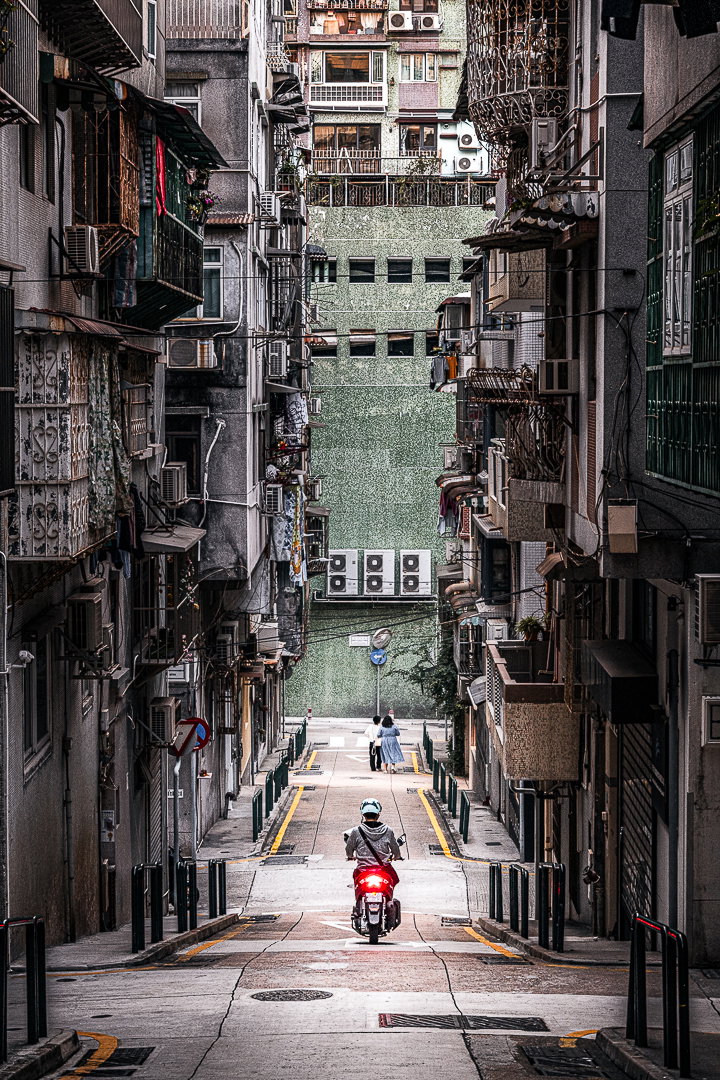
Hong Kong & Macau
Two cities, one visual language.
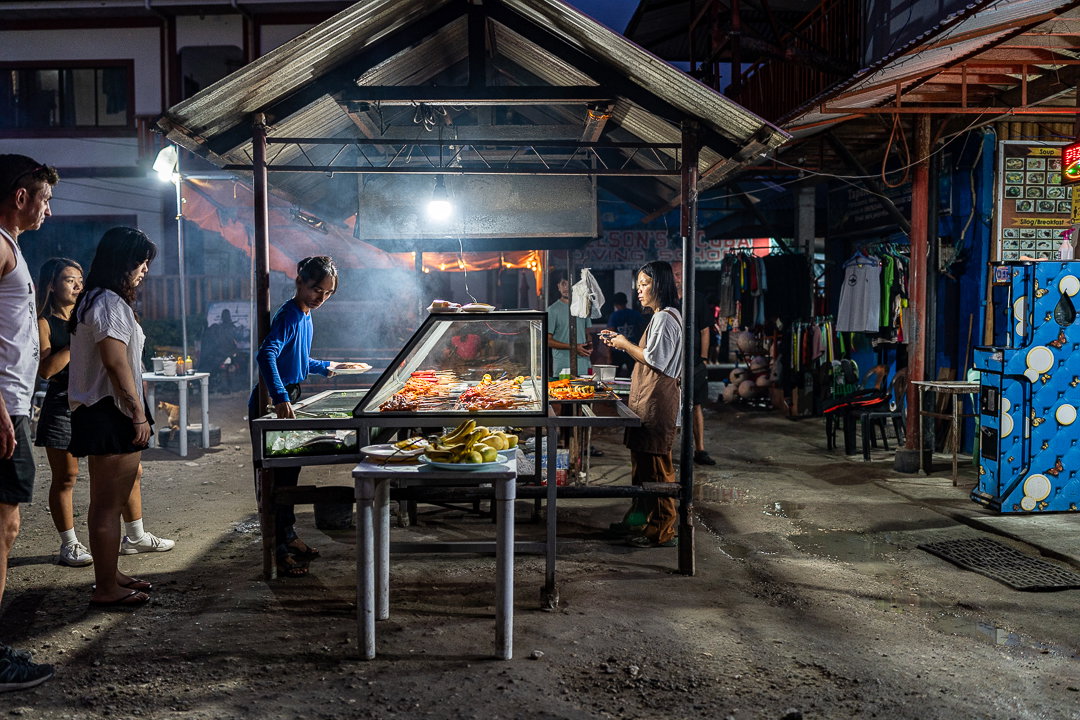
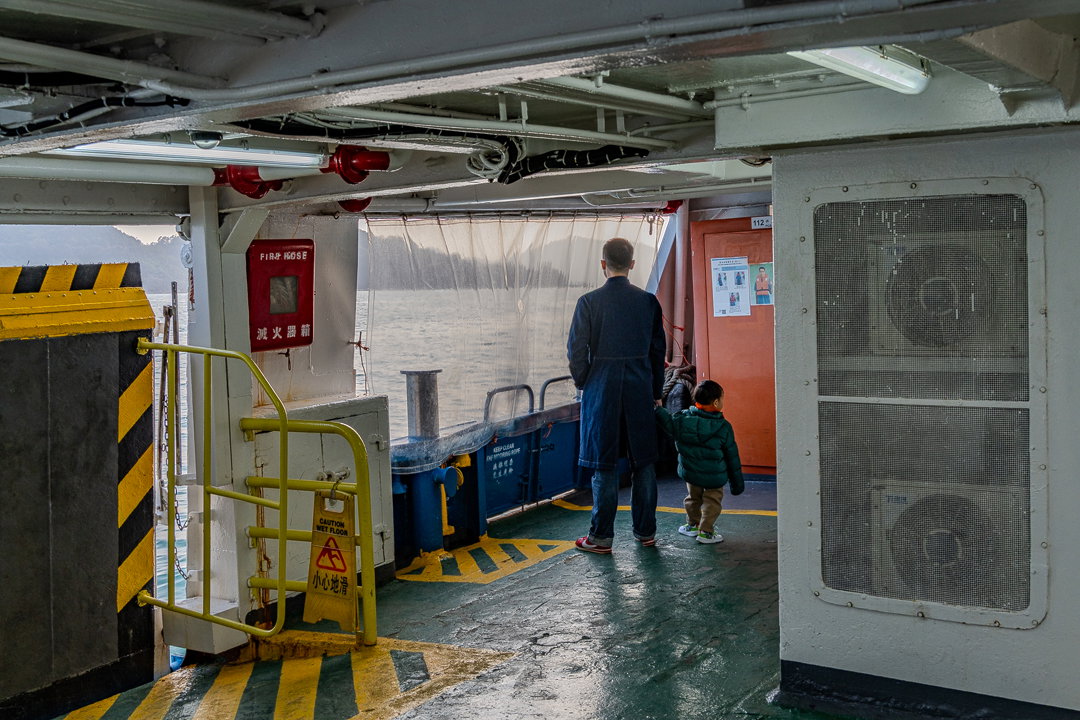
Separated by a 60-minute ferry ride, Hong Kong and Macau share the same density, the same layering of time, the same light on the Pearl River Delta. This series seeks the structure beneath the surface—in the residential towers, the neon-lit streets, the rooftop basketball courts, and the Portuguese alleyways. Two cities, photographed as one.
01 Urban Geometry
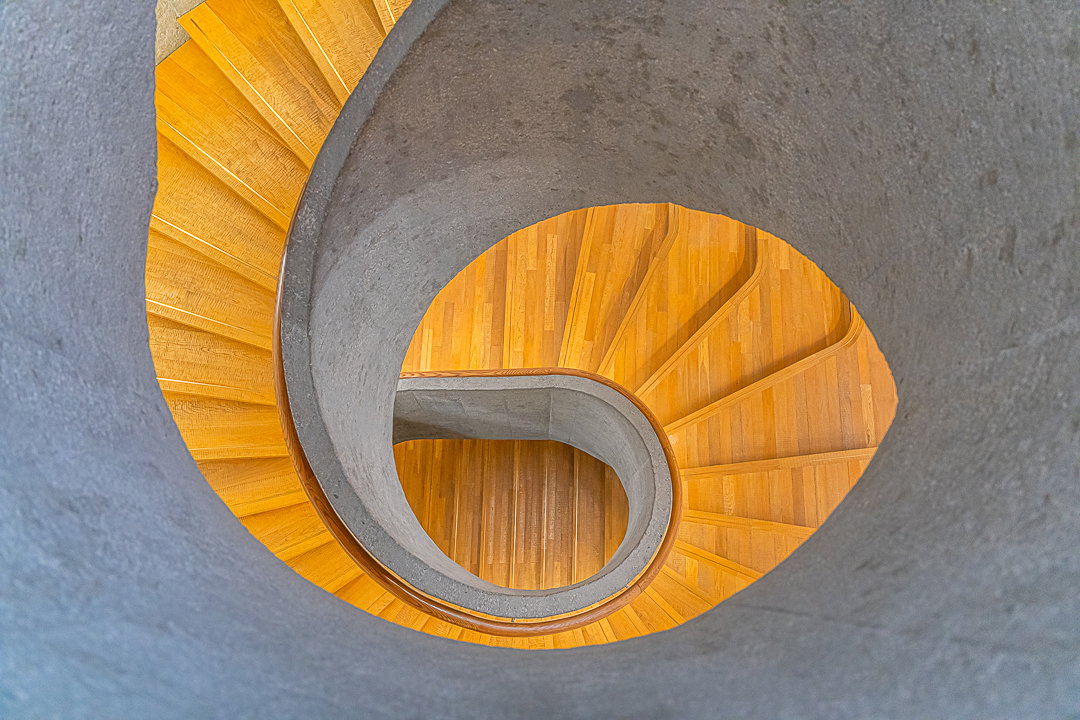
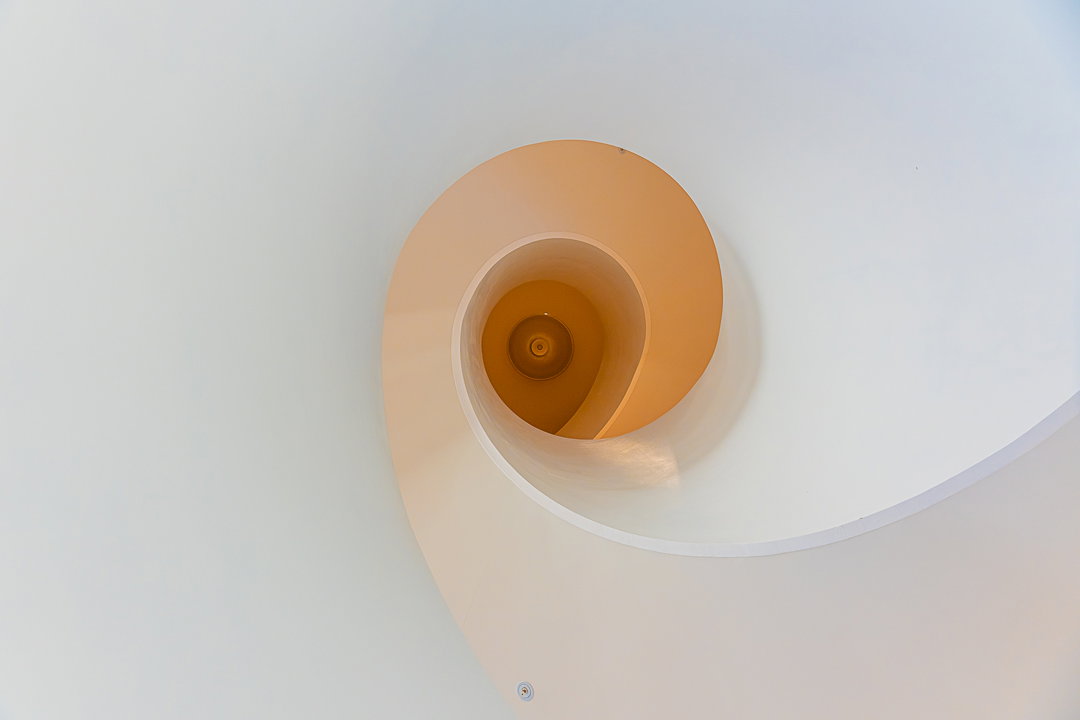
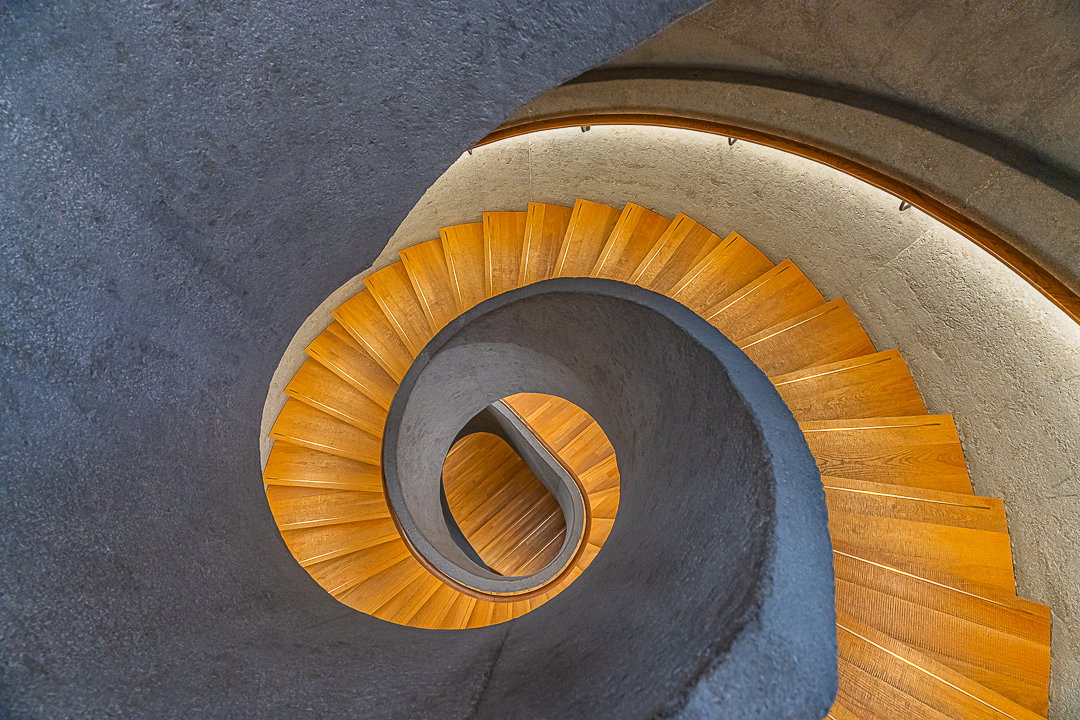
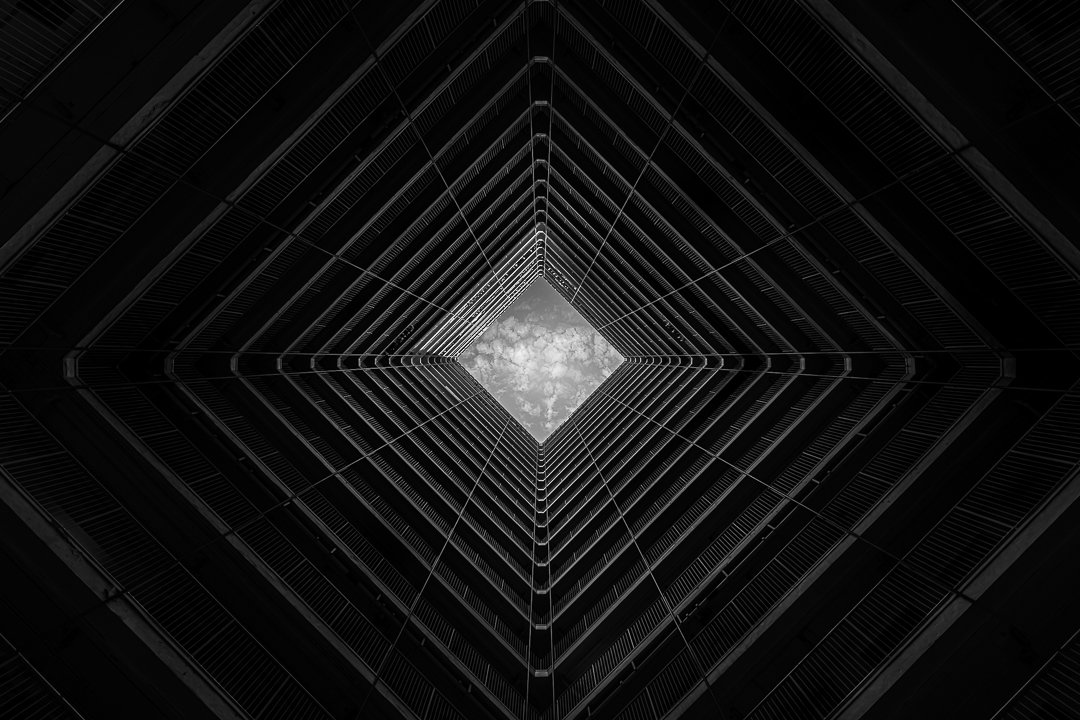
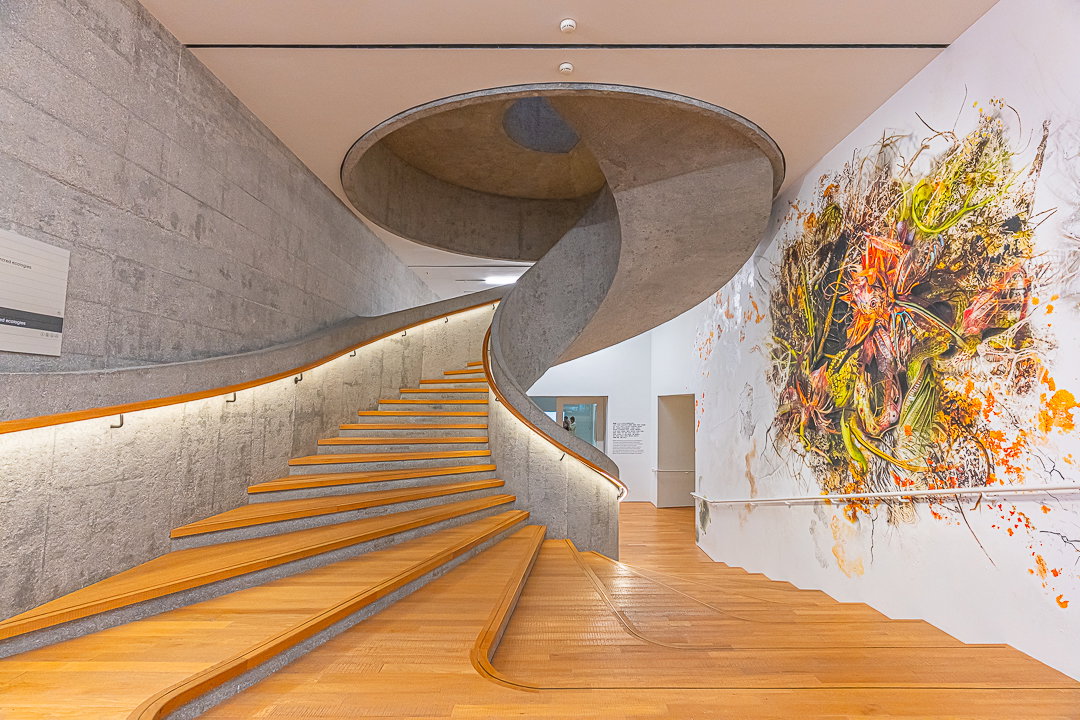
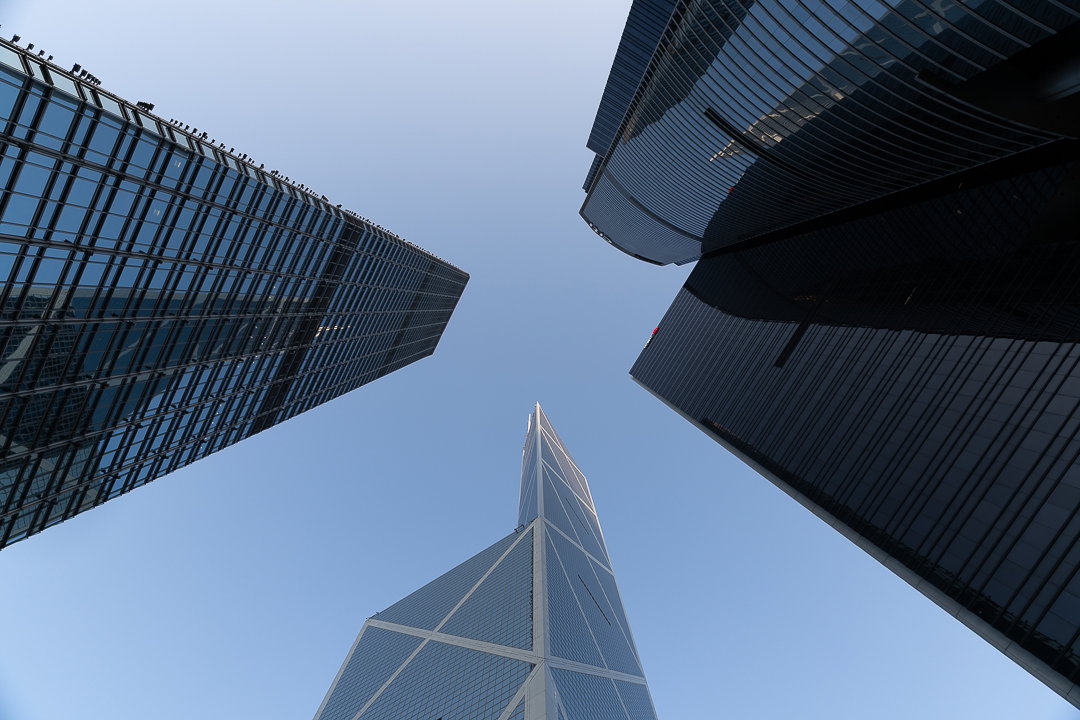
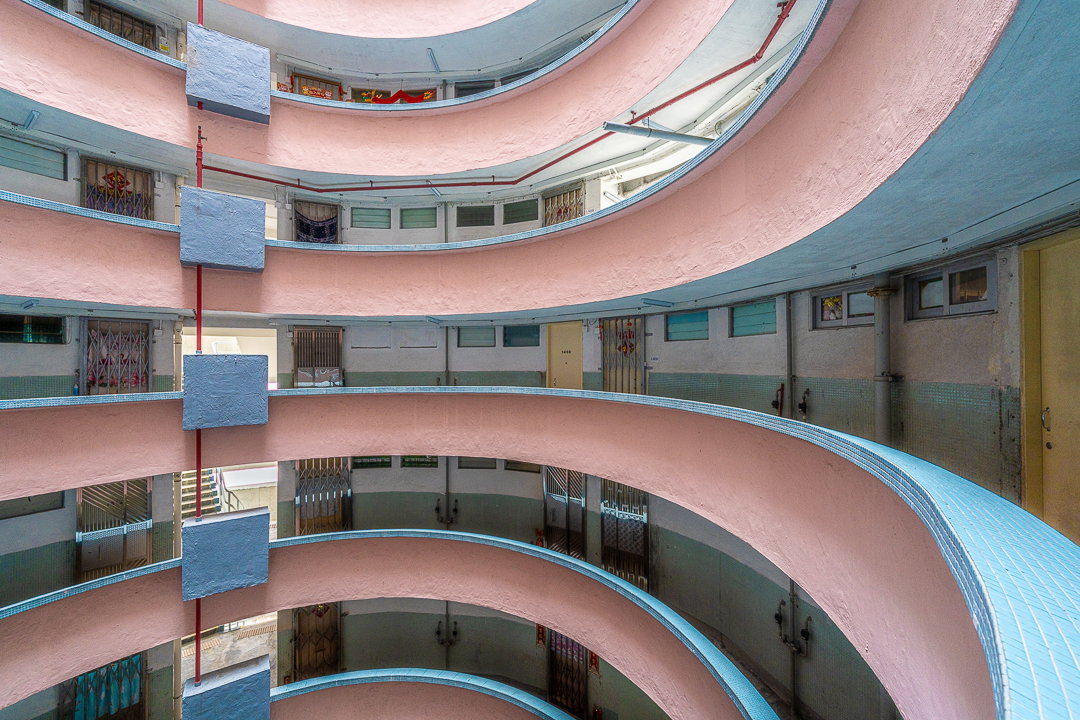
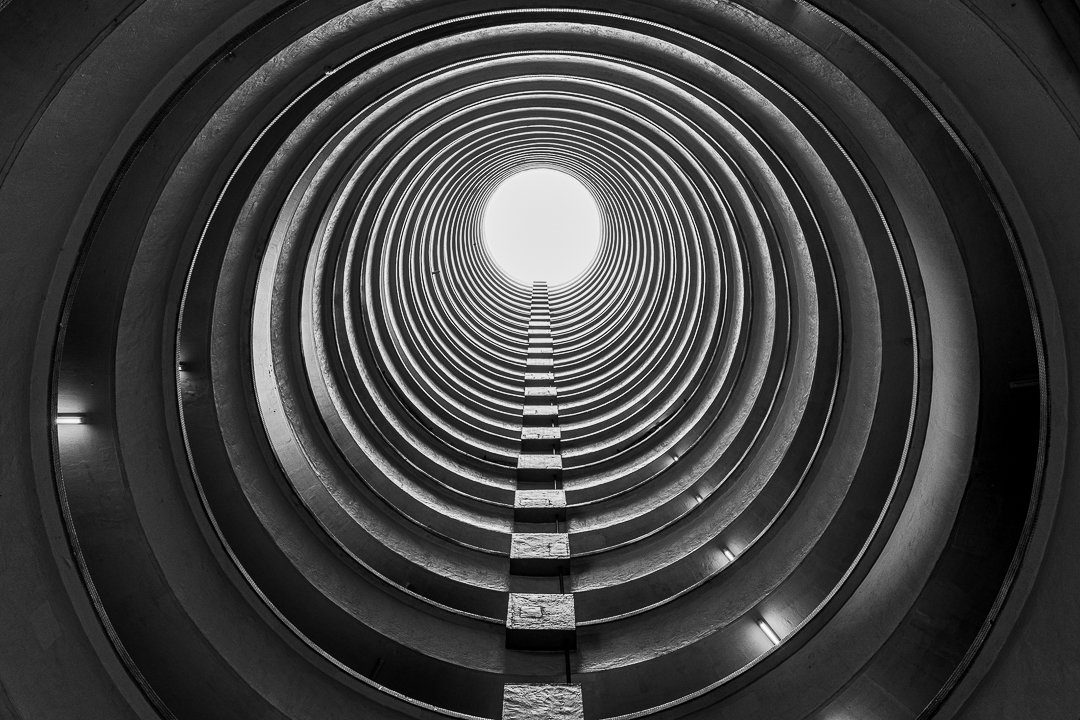
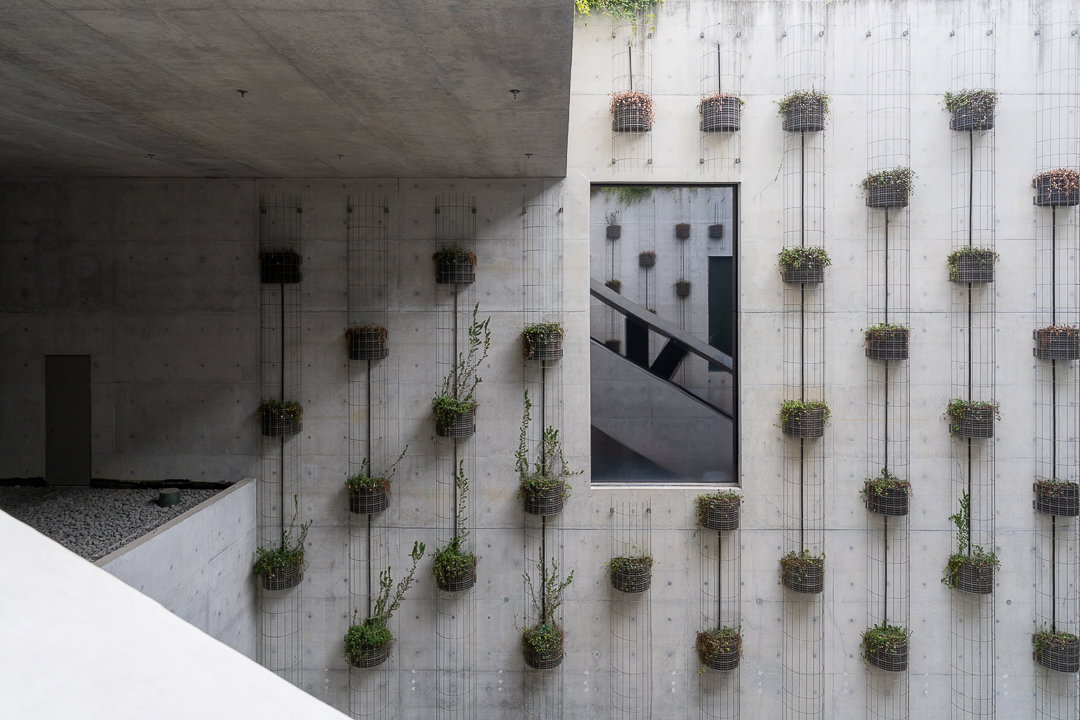
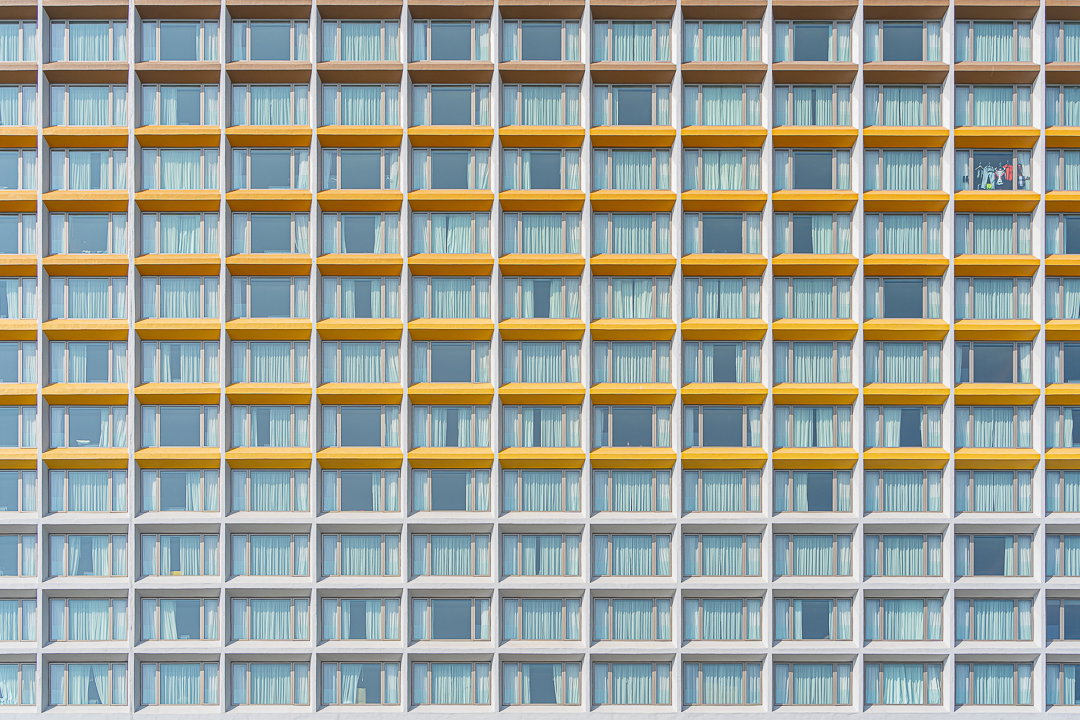
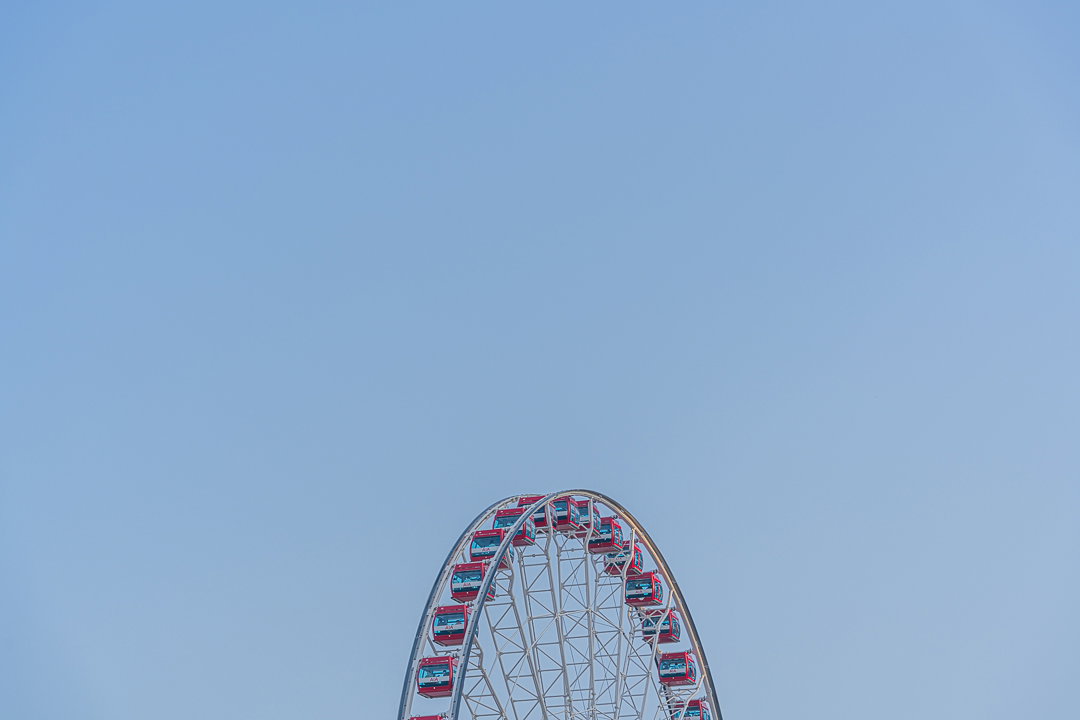
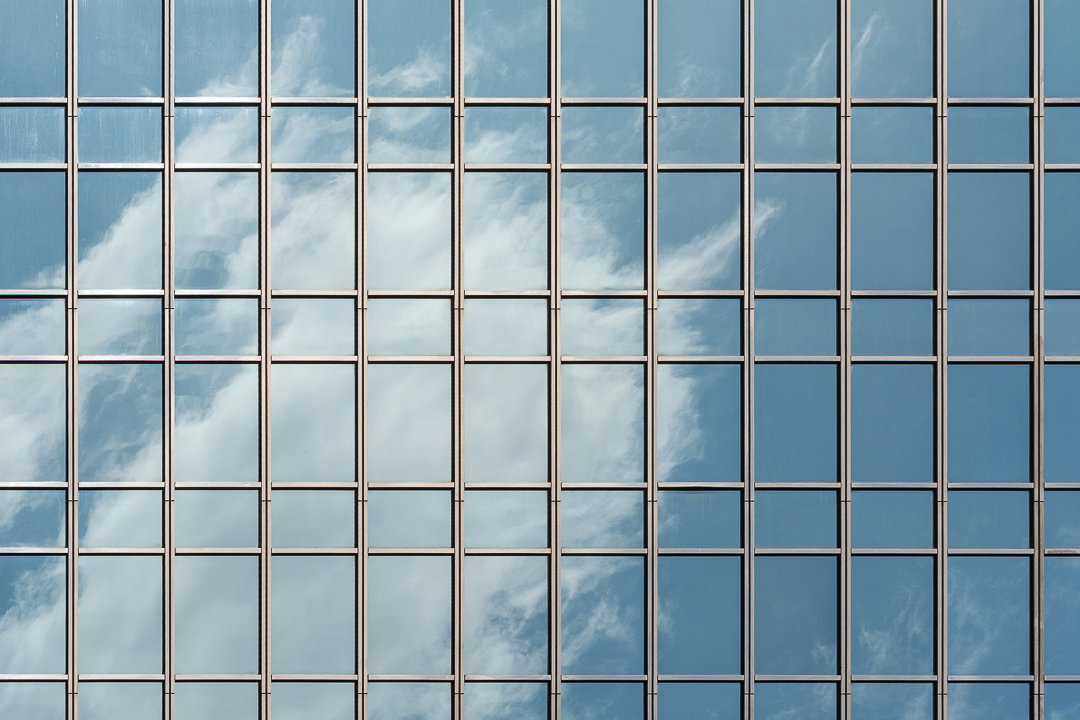
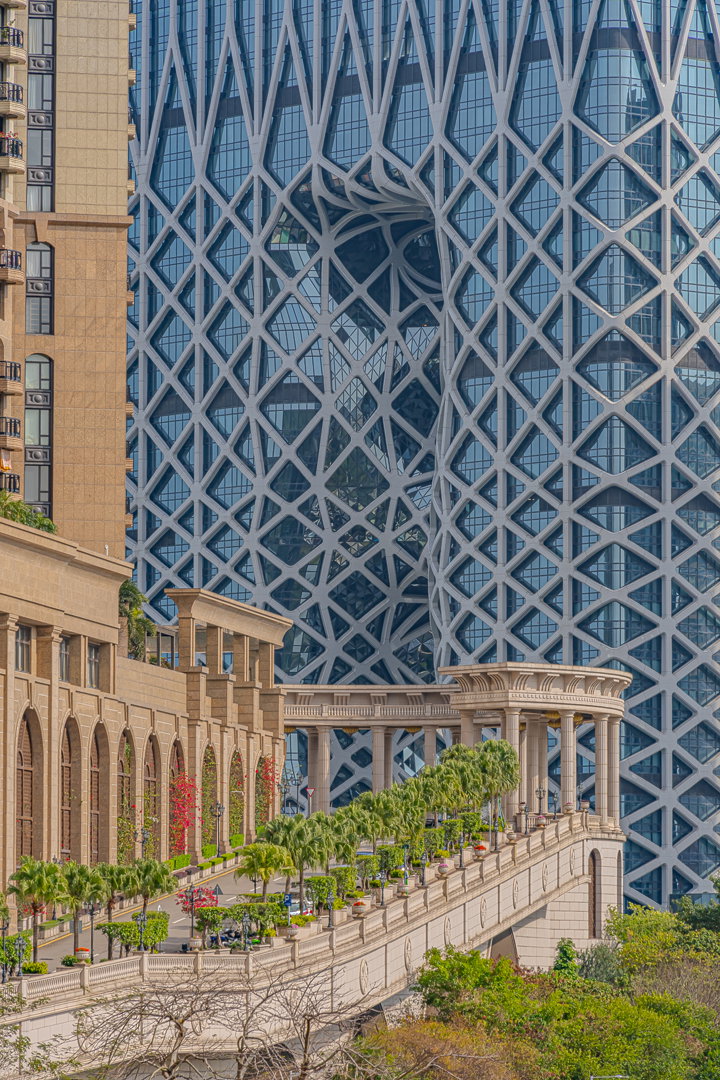
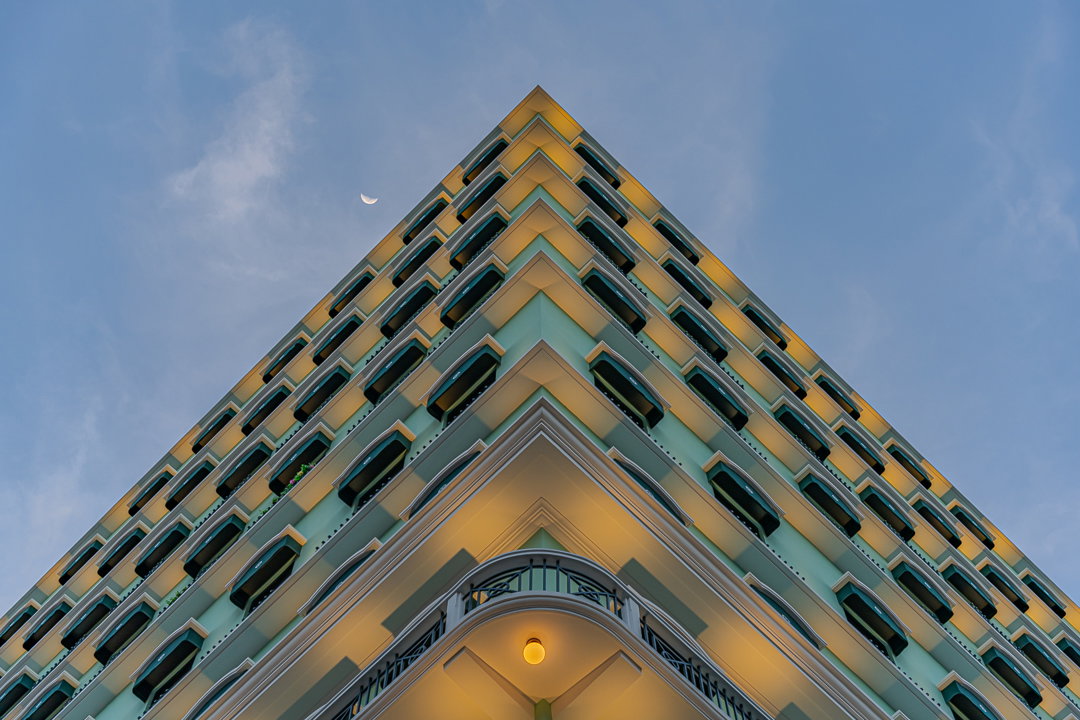
Hong Kong and Macau reduced to their bare essentials. Spiral staircases, concentric facades, diamond-shaped grids – the city as an exercise in pure geometry. Architecture in its most abstract expression.
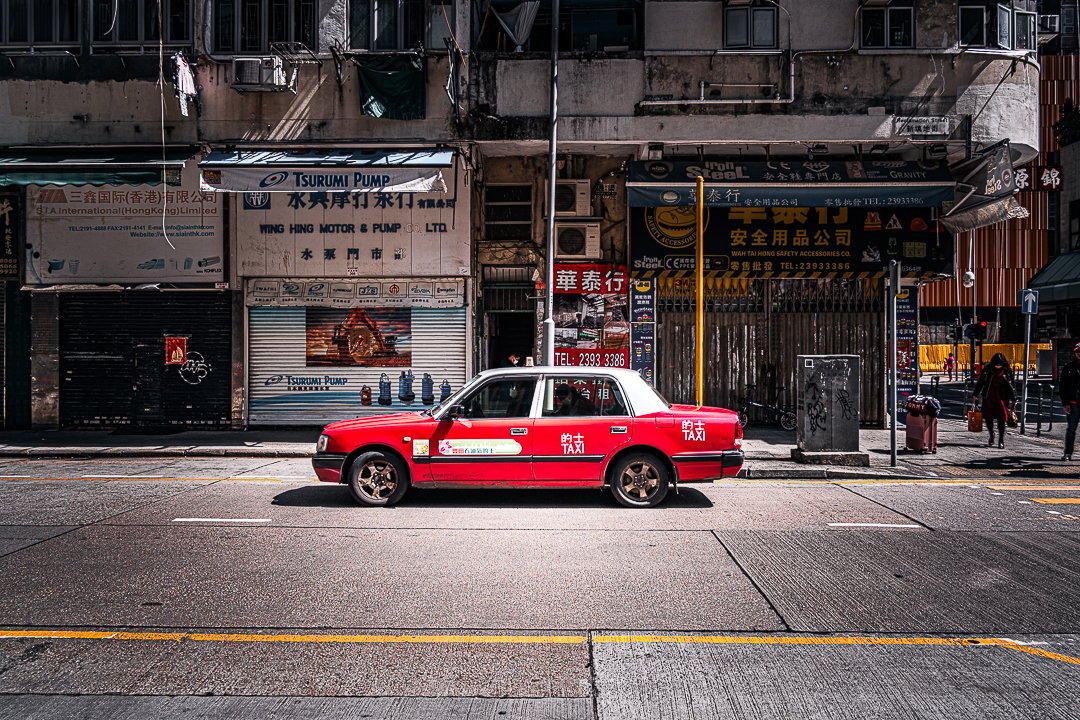
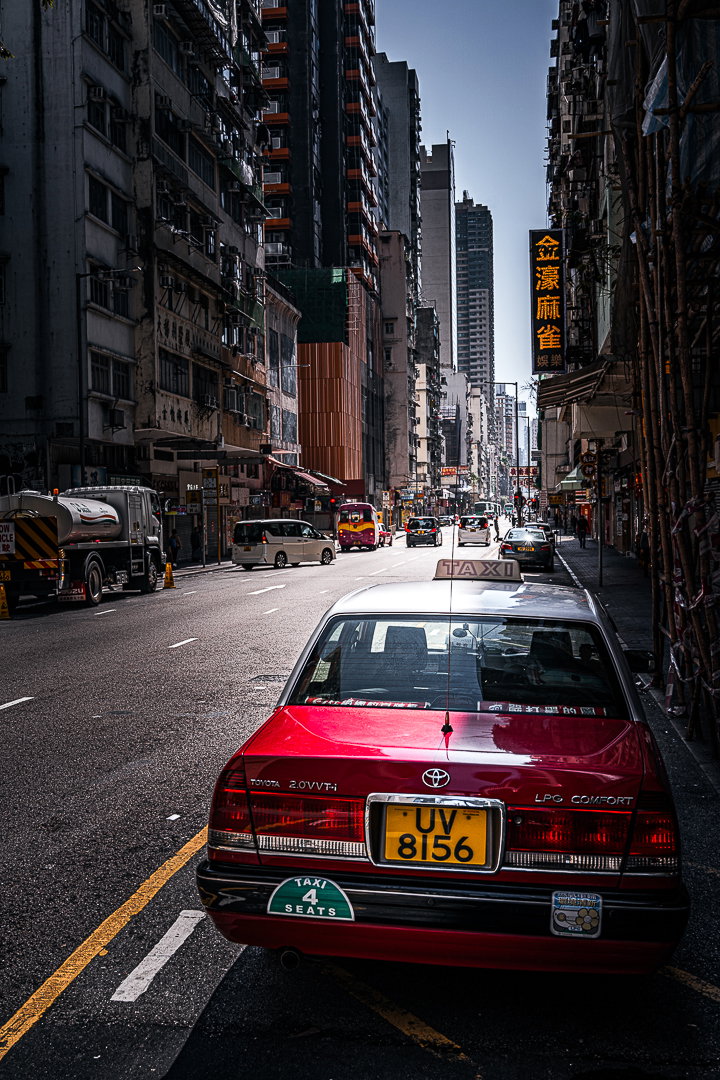
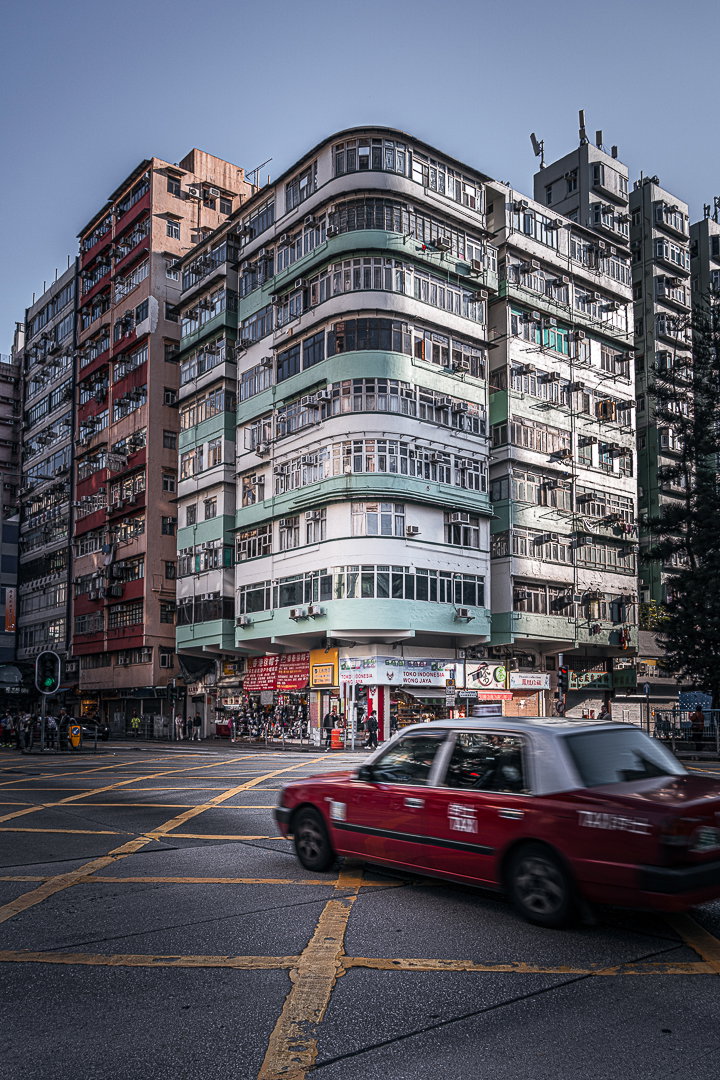
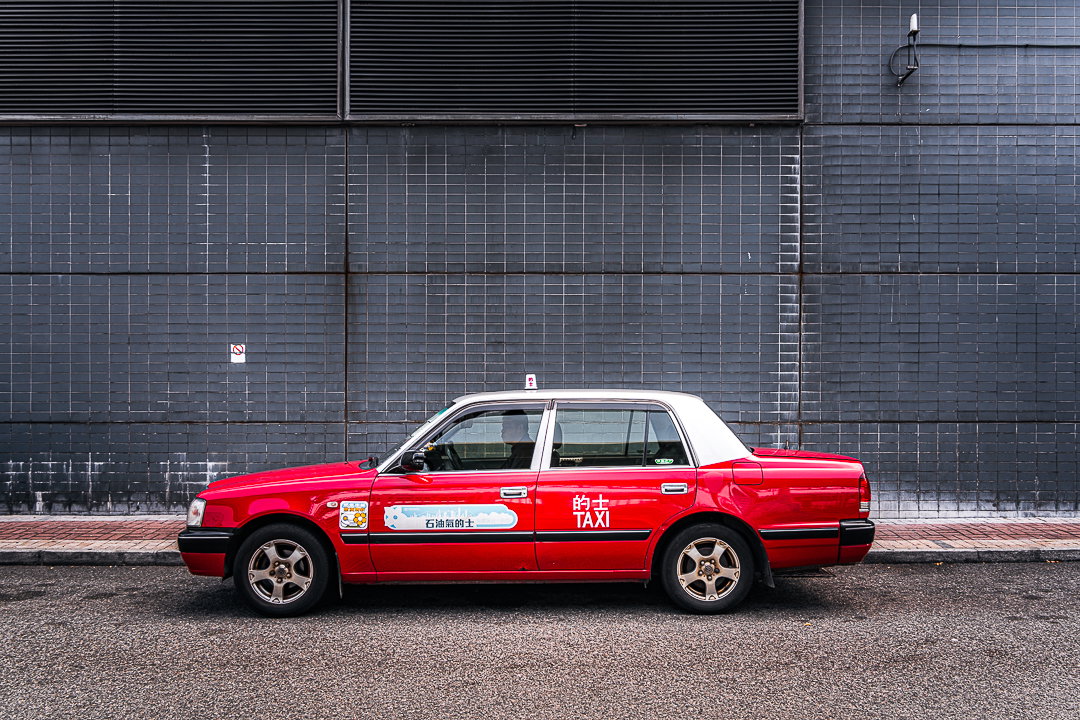
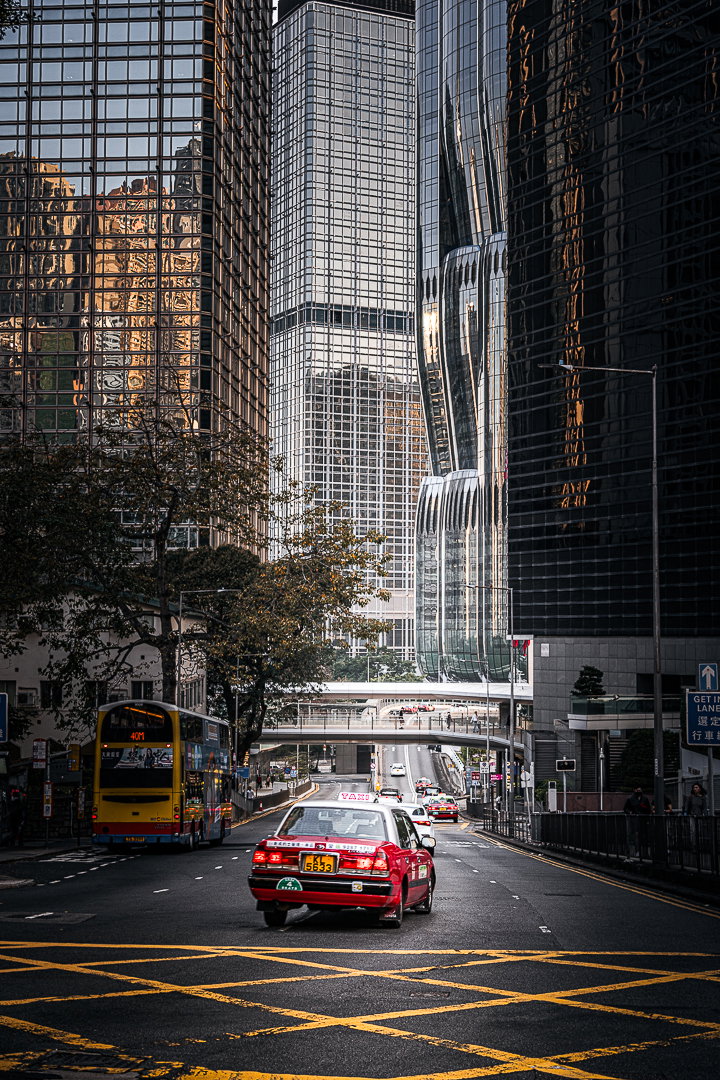
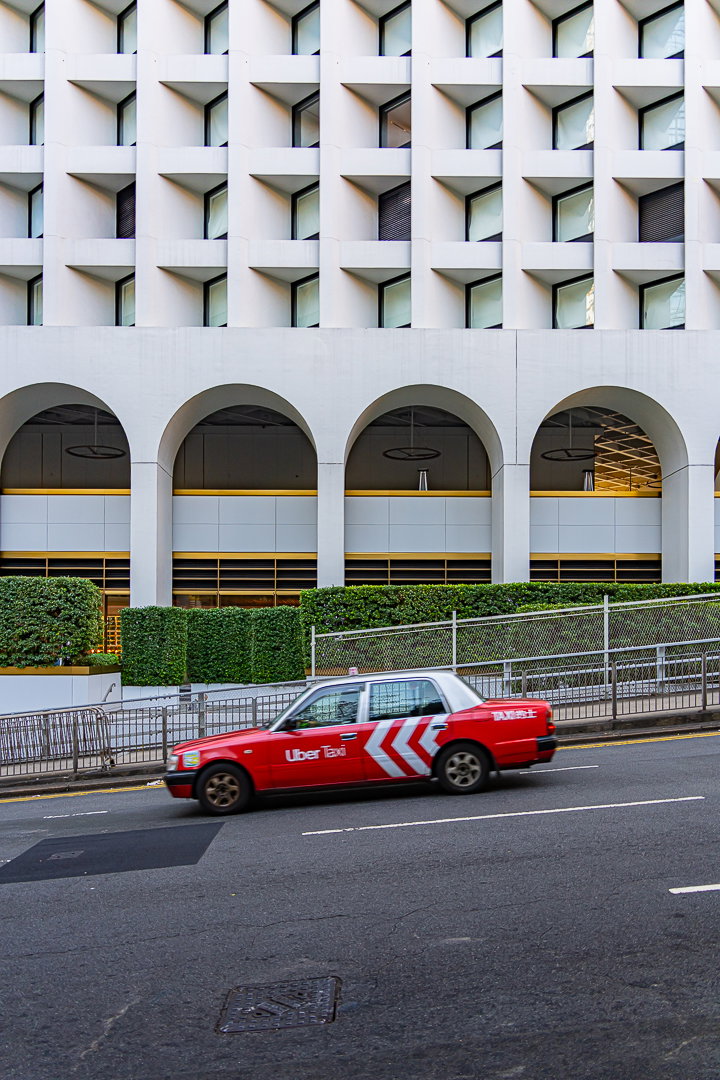
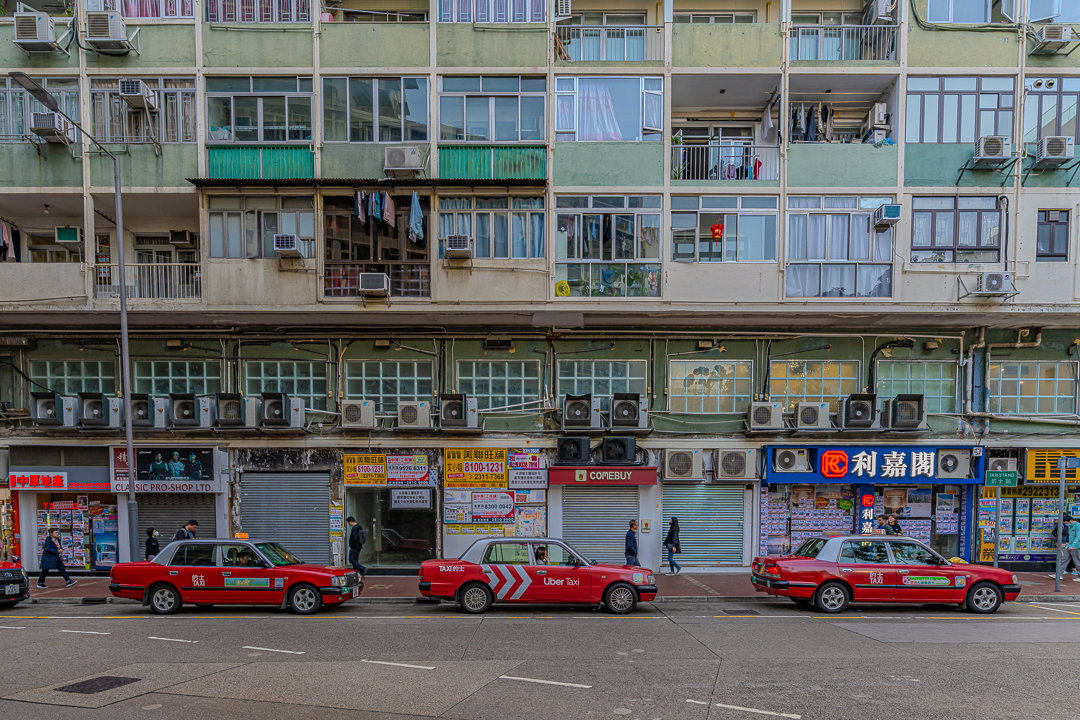
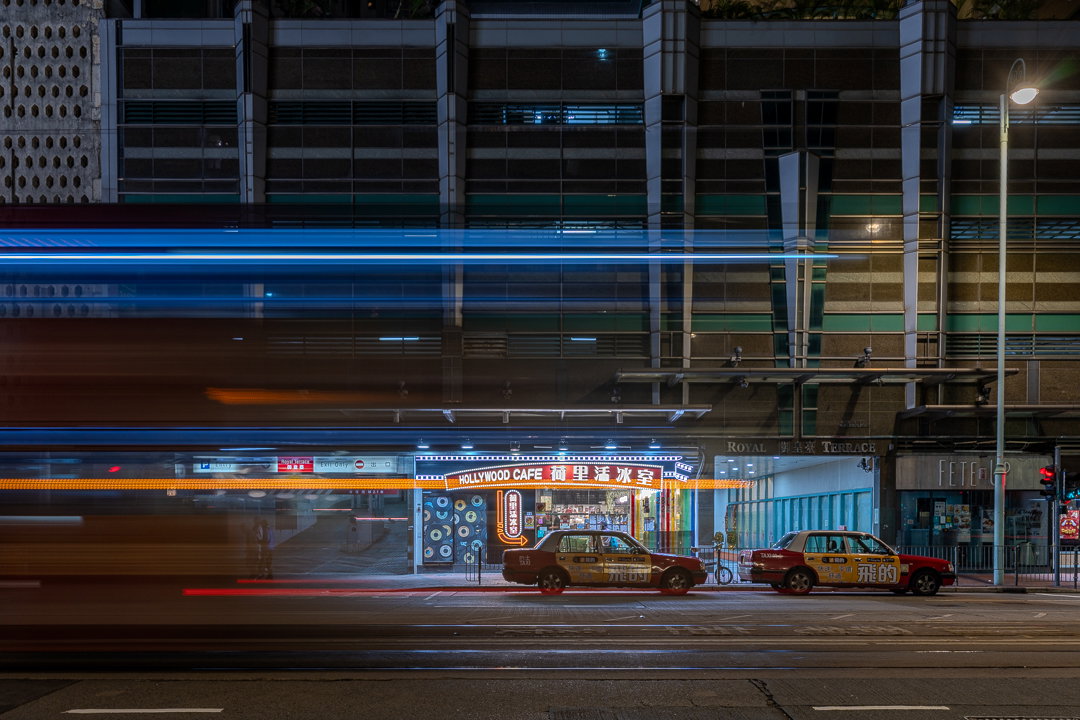
02 The Red Taxis
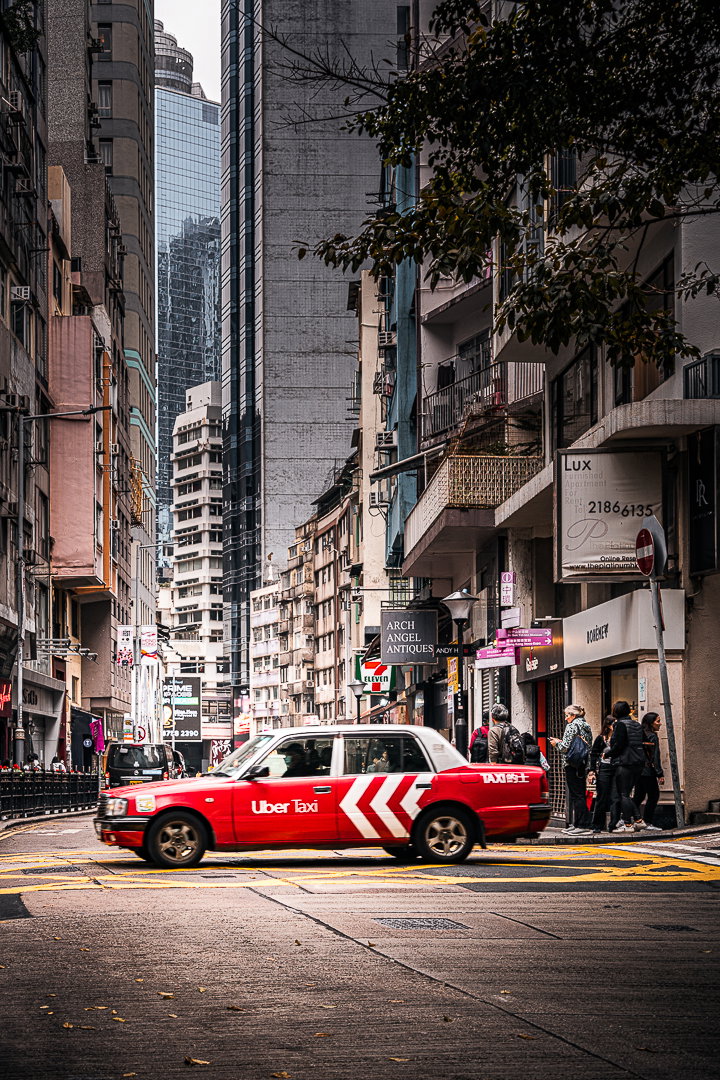
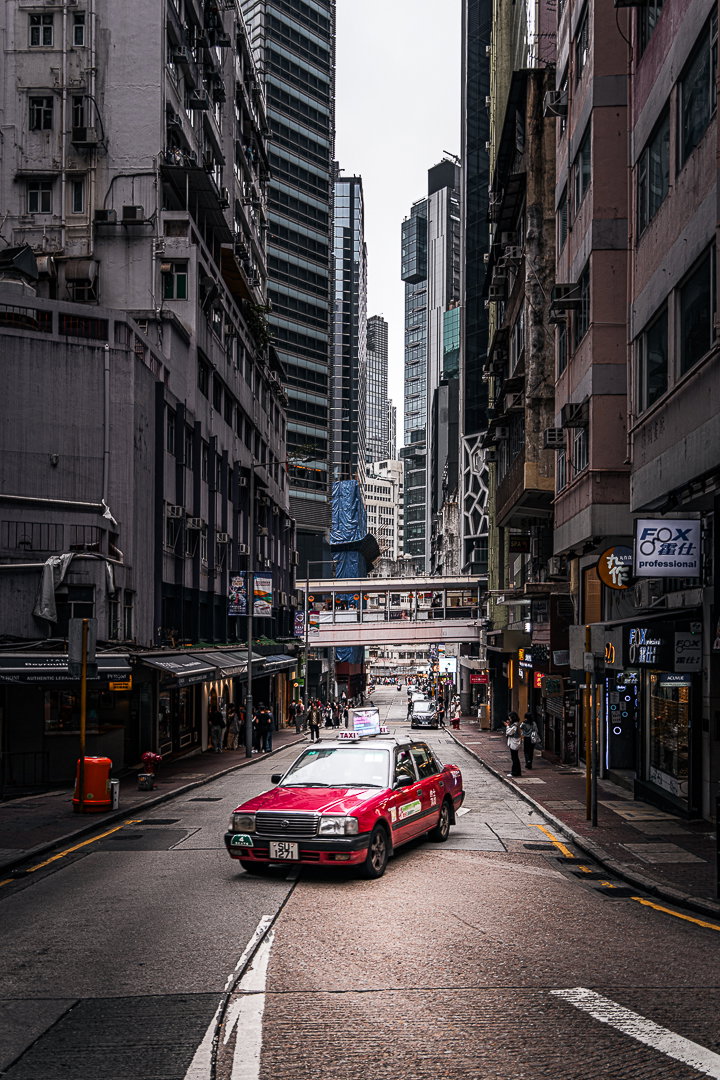
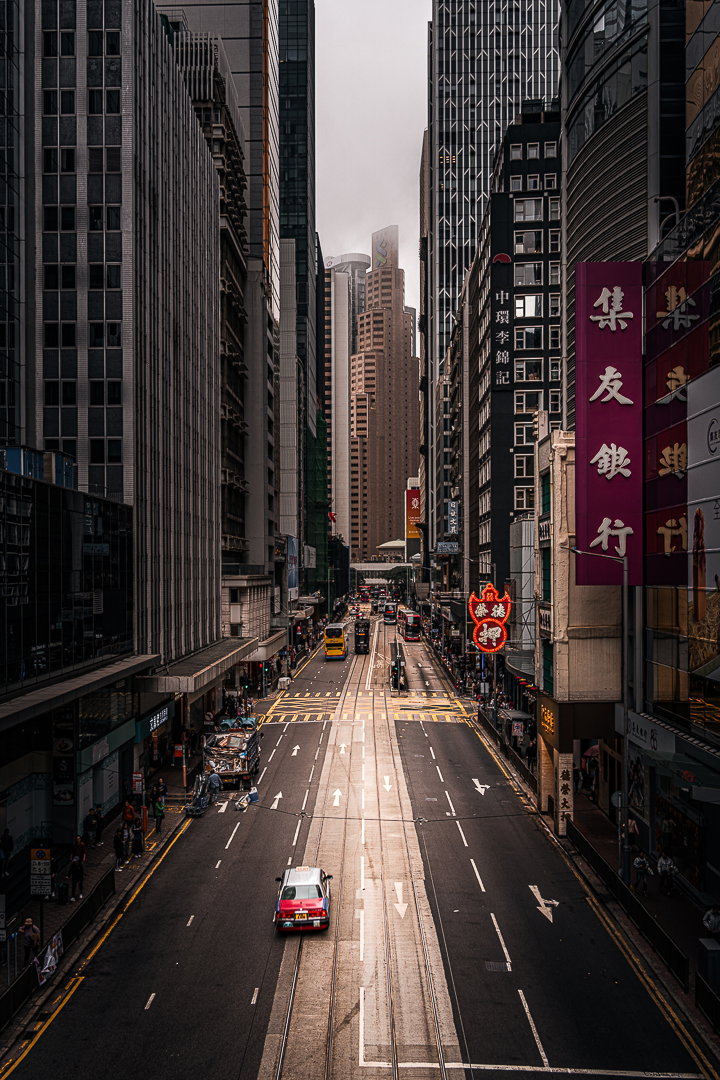
Red as a common thread. Hong Kong's iconic taxis navigate narrow alleyways and deserted intersections, their color standing out against a backdrop of grey walls, colonial facades, and urban sprawl. A series within a series.
03 Playing Fields
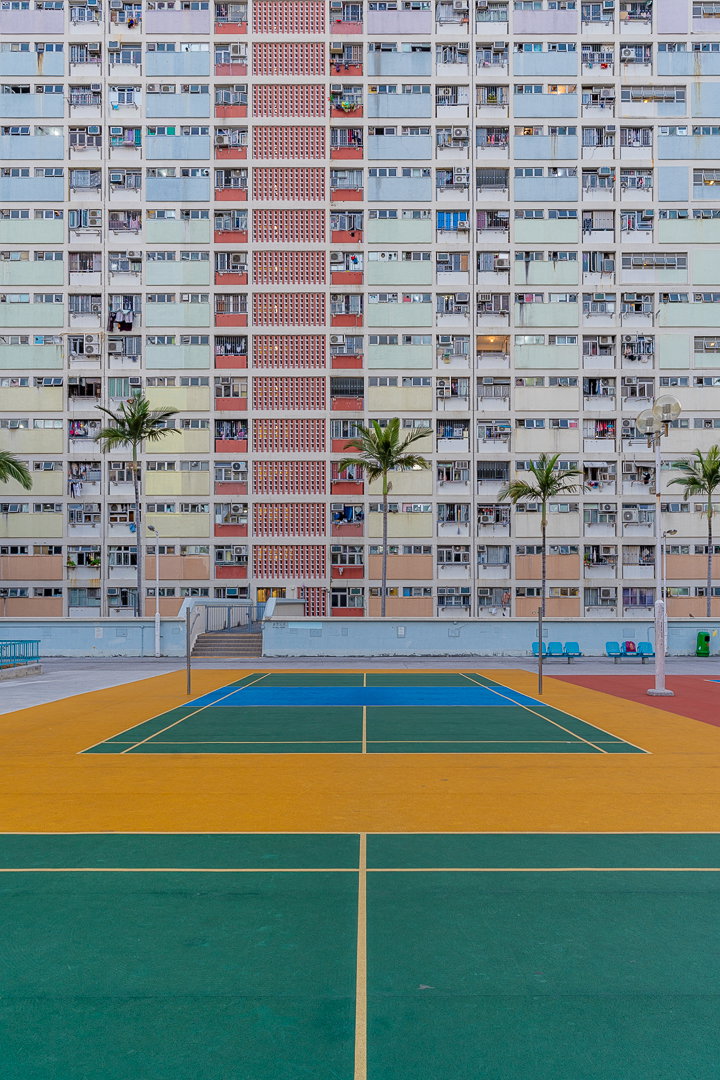
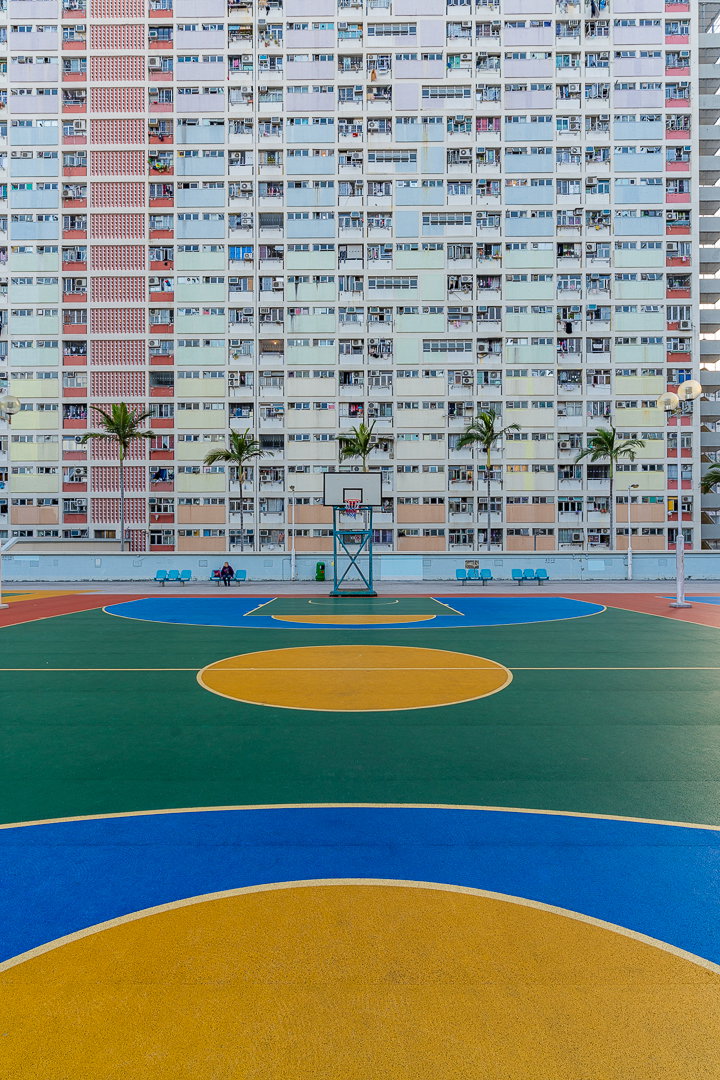
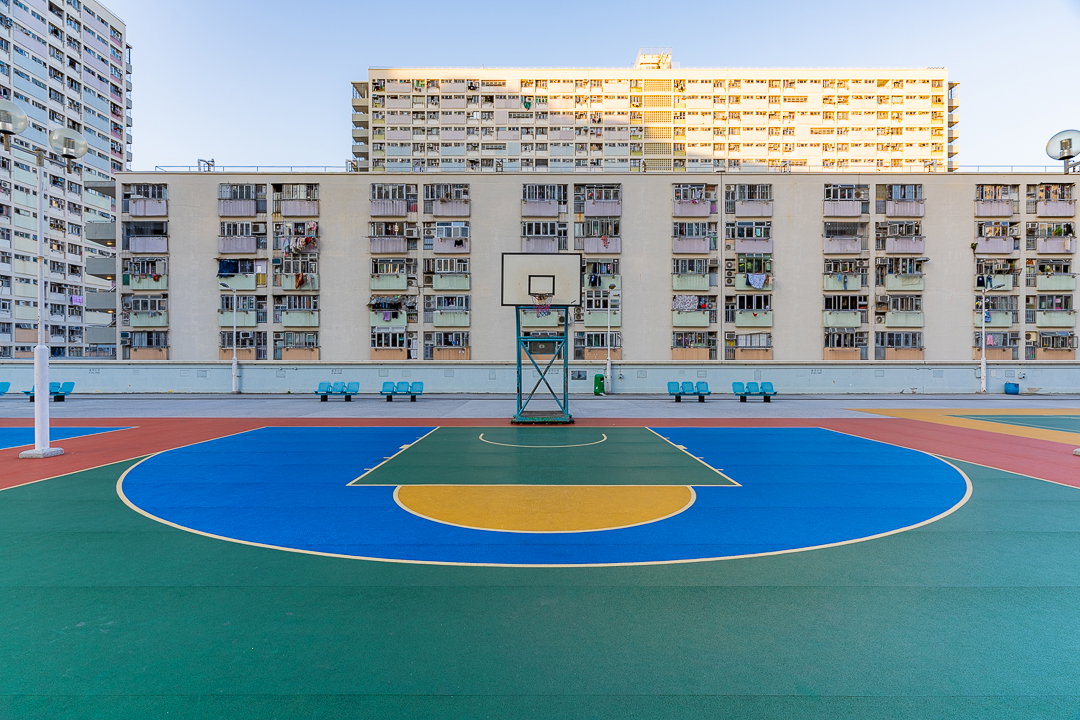
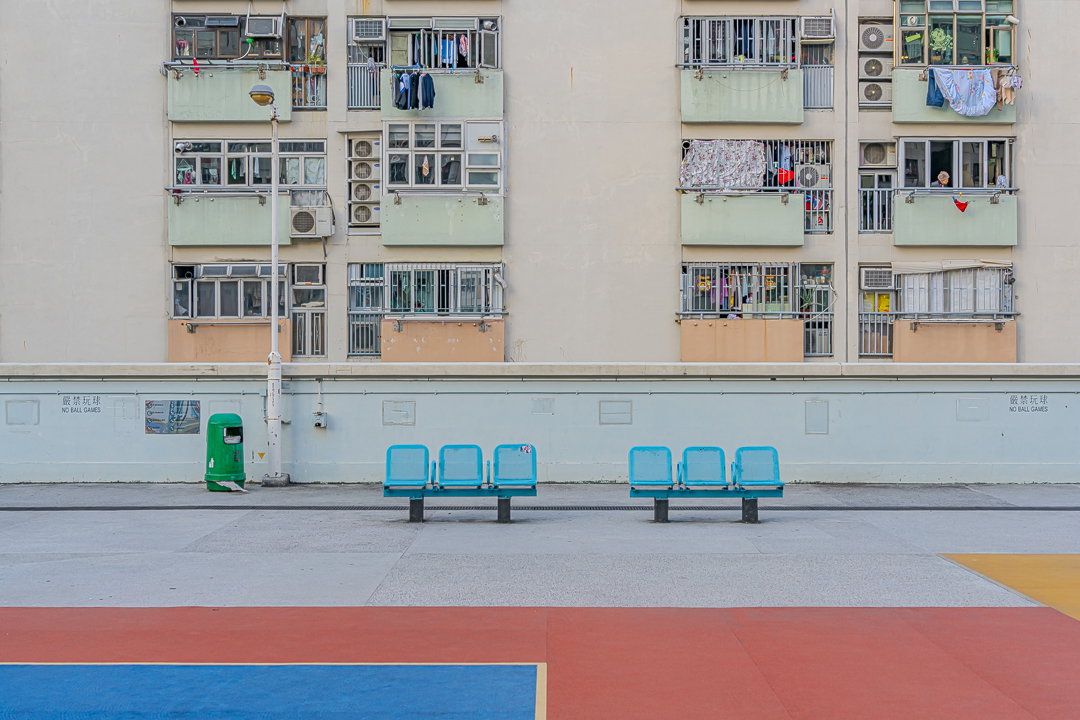
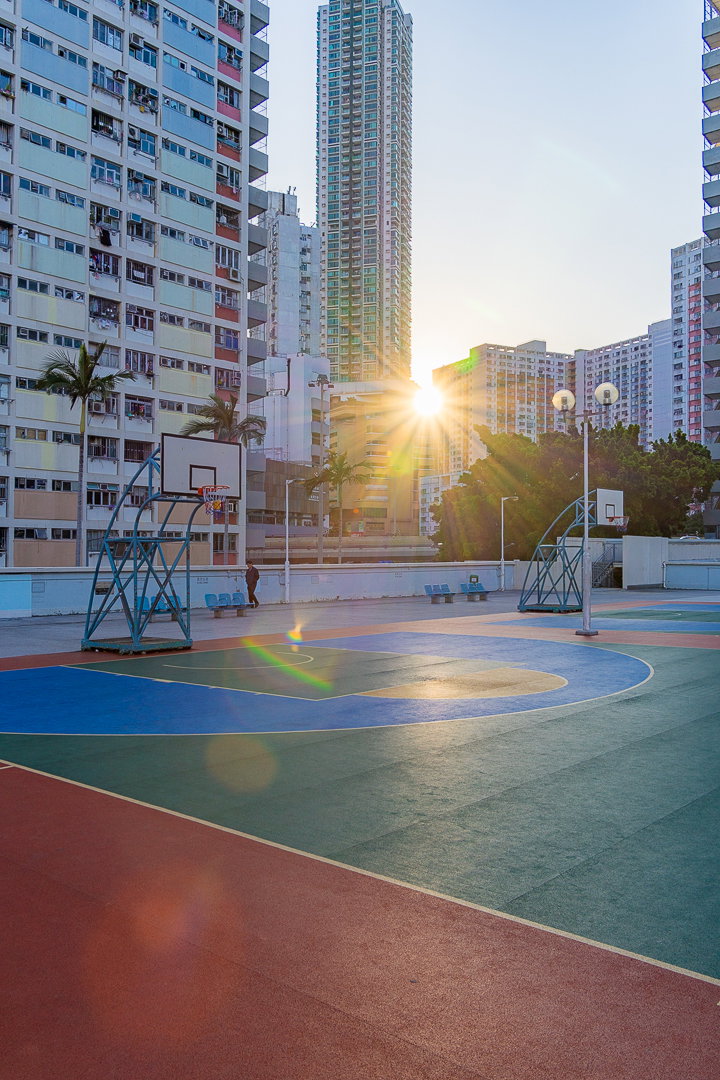
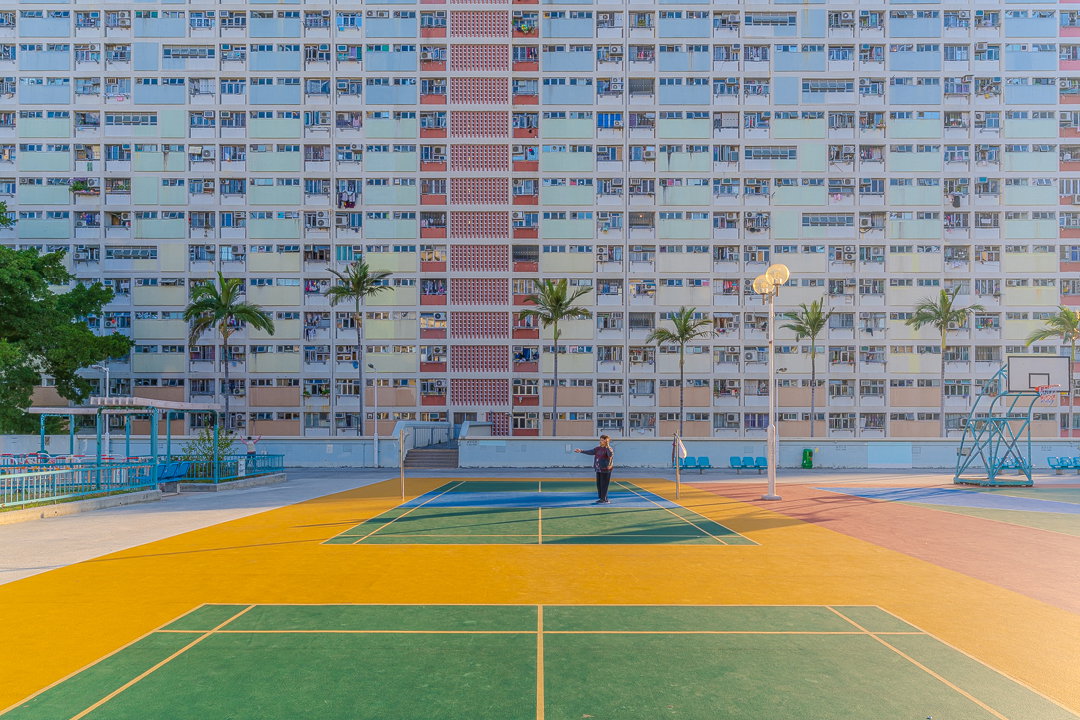
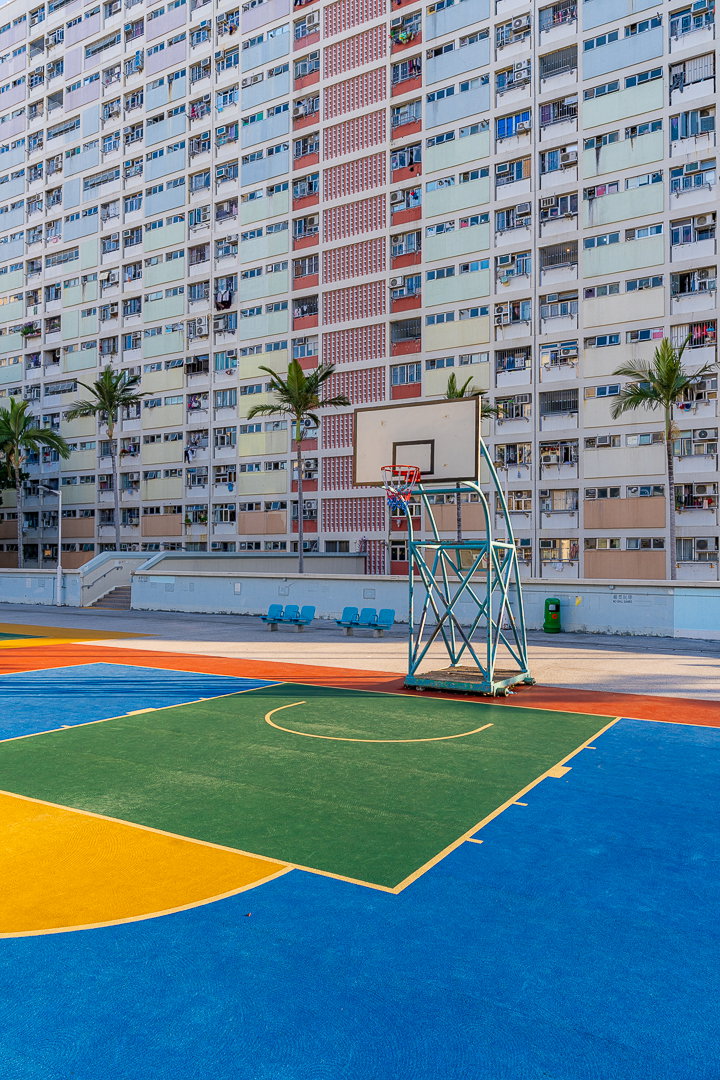
Wedged between residential towers, Hong Kong's rooftop basketball courts can be read from above like abstract paintings - flat planes of bold colors, strict geometry, unexpected beauty in a city where every meter counts.
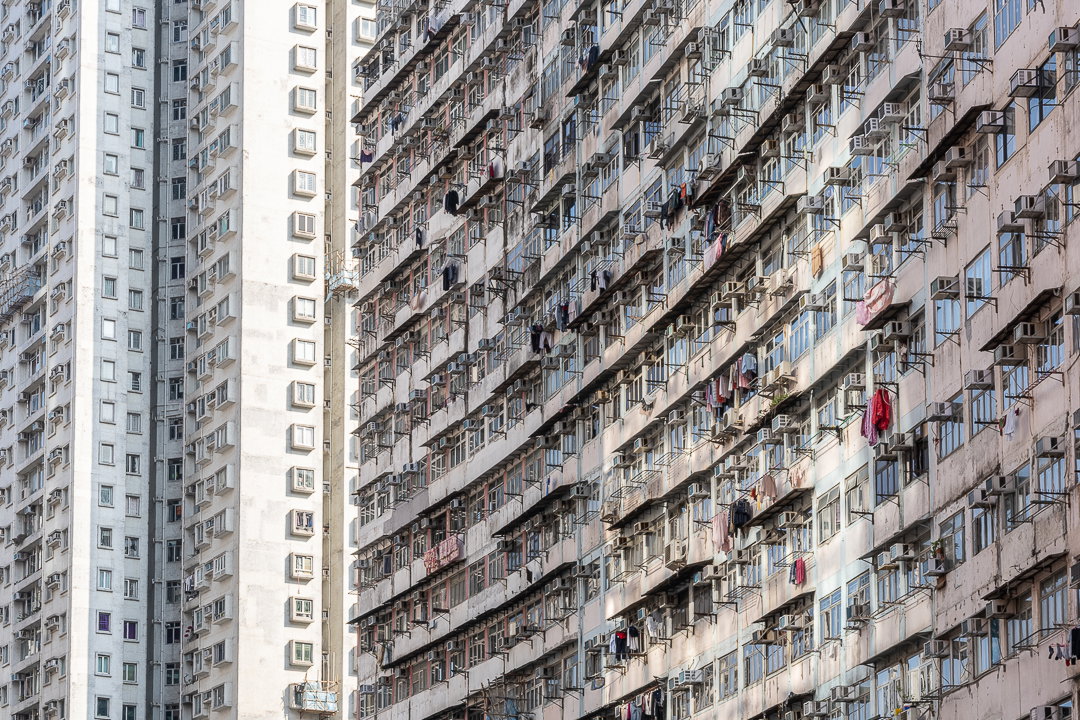
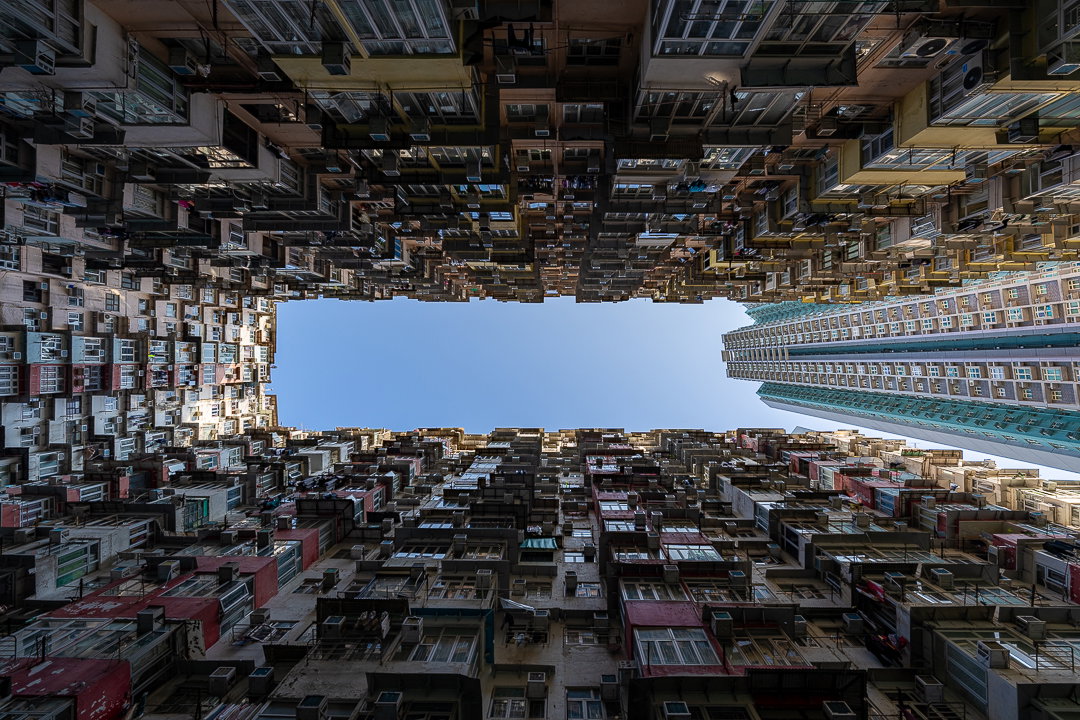
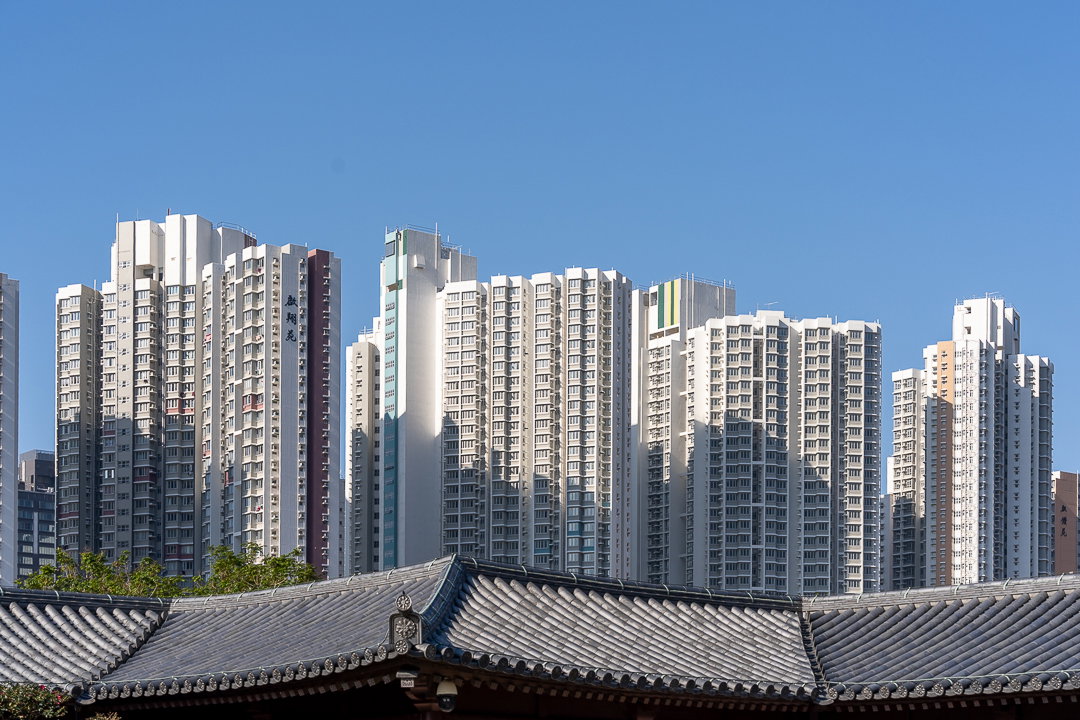
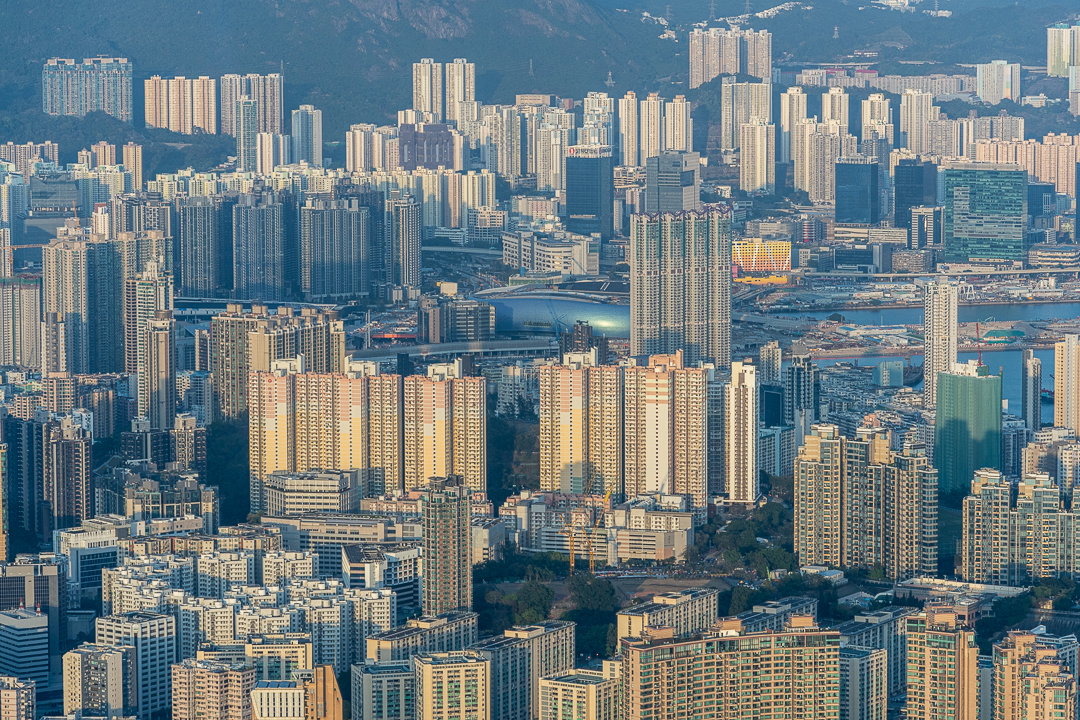
04 Densely Populated City
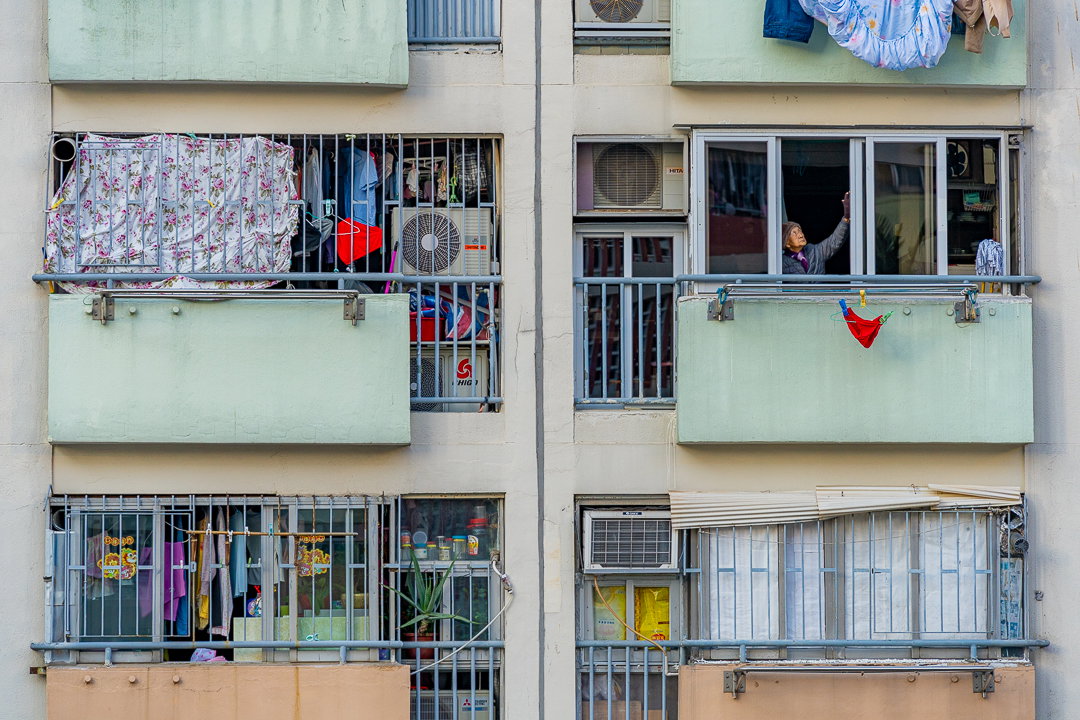
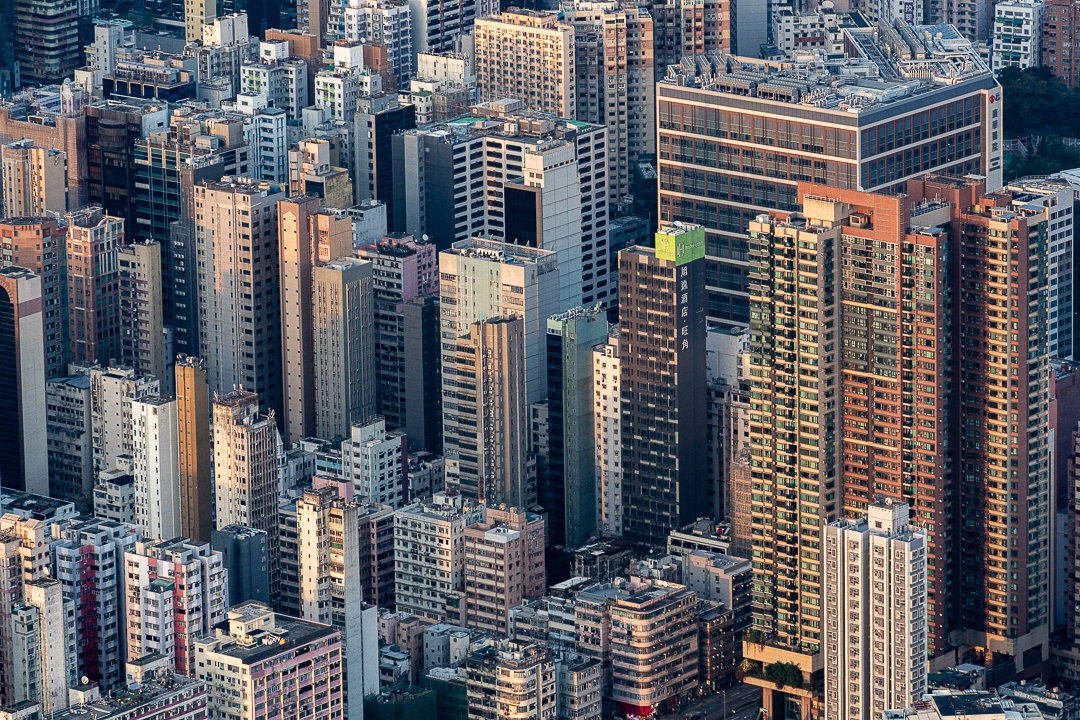
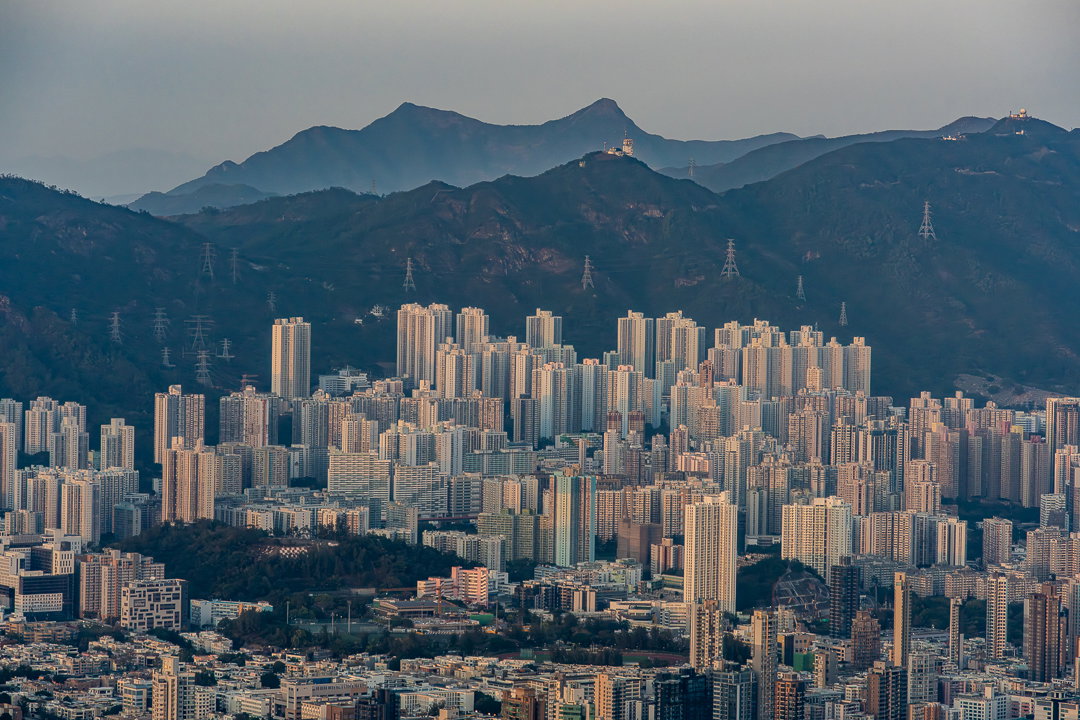
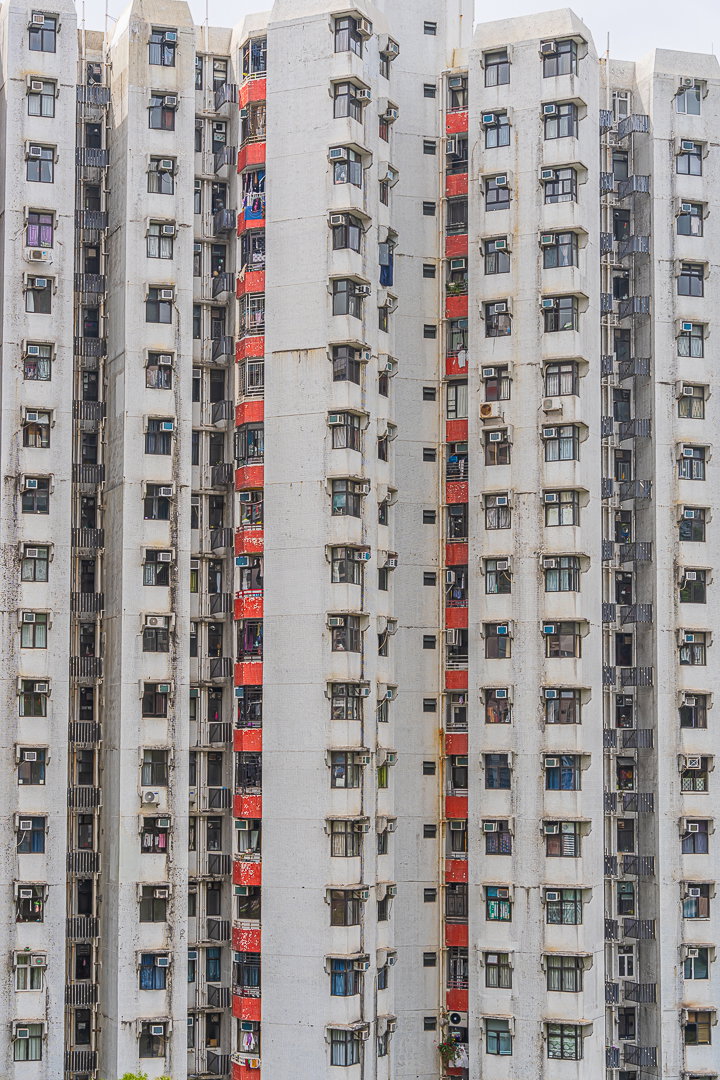
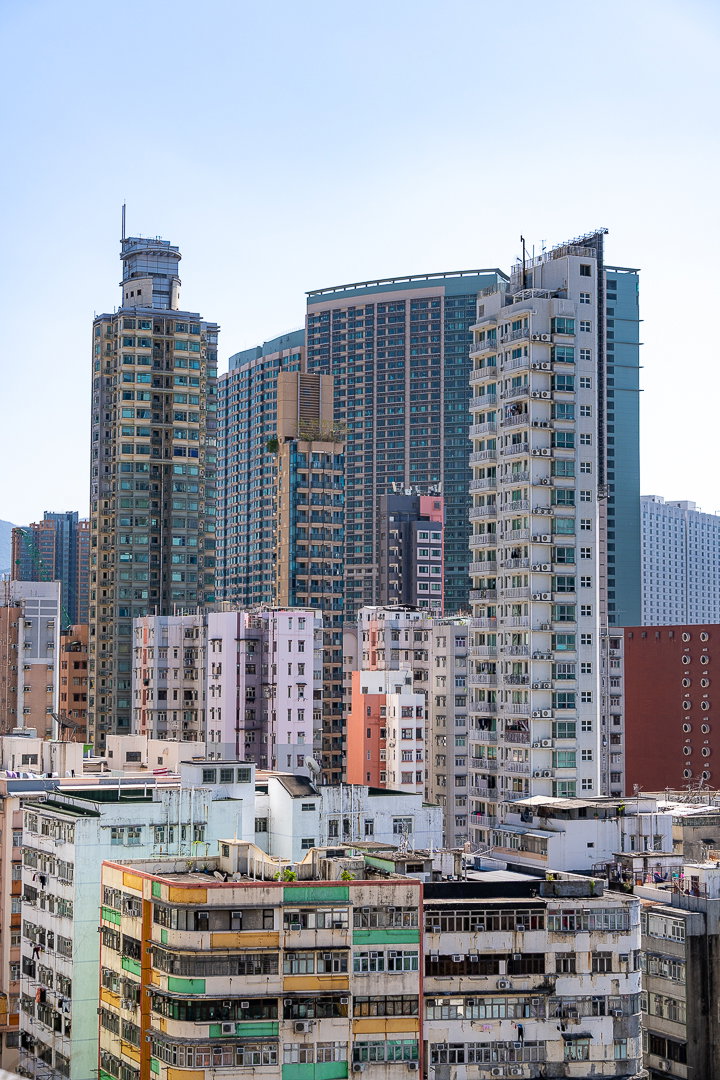
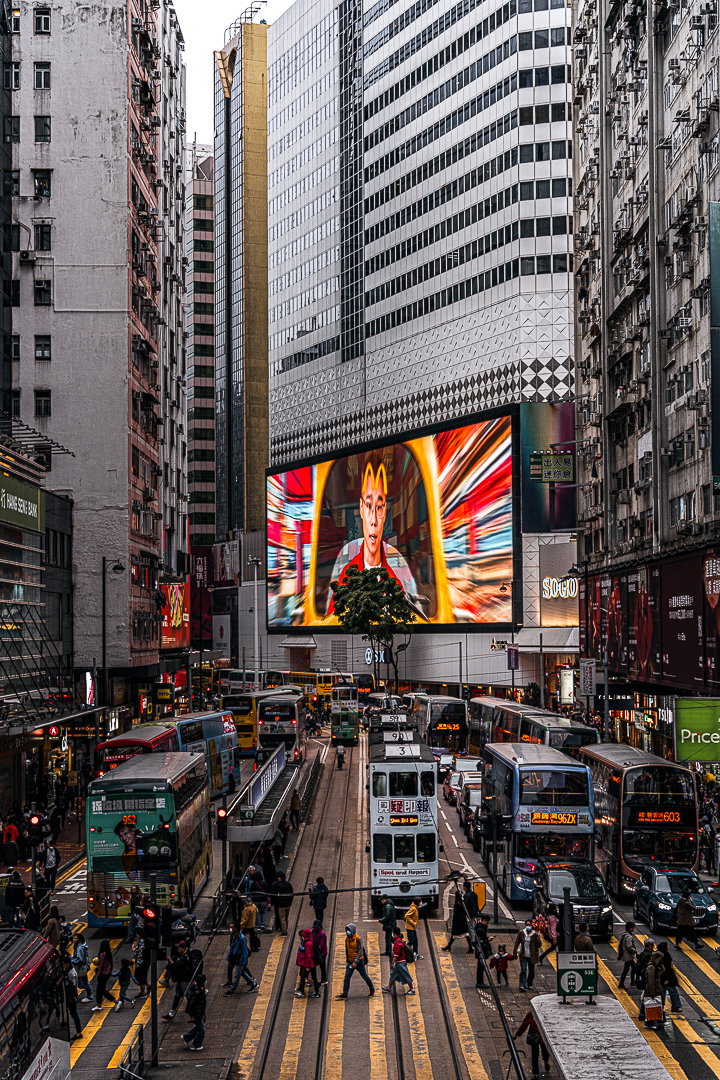
One of the most densely populated cities in the world, read vertically. From street level to aerial view, Hong Kong's residential blocks become texture, pattern and mass - an architecture of accumulation.
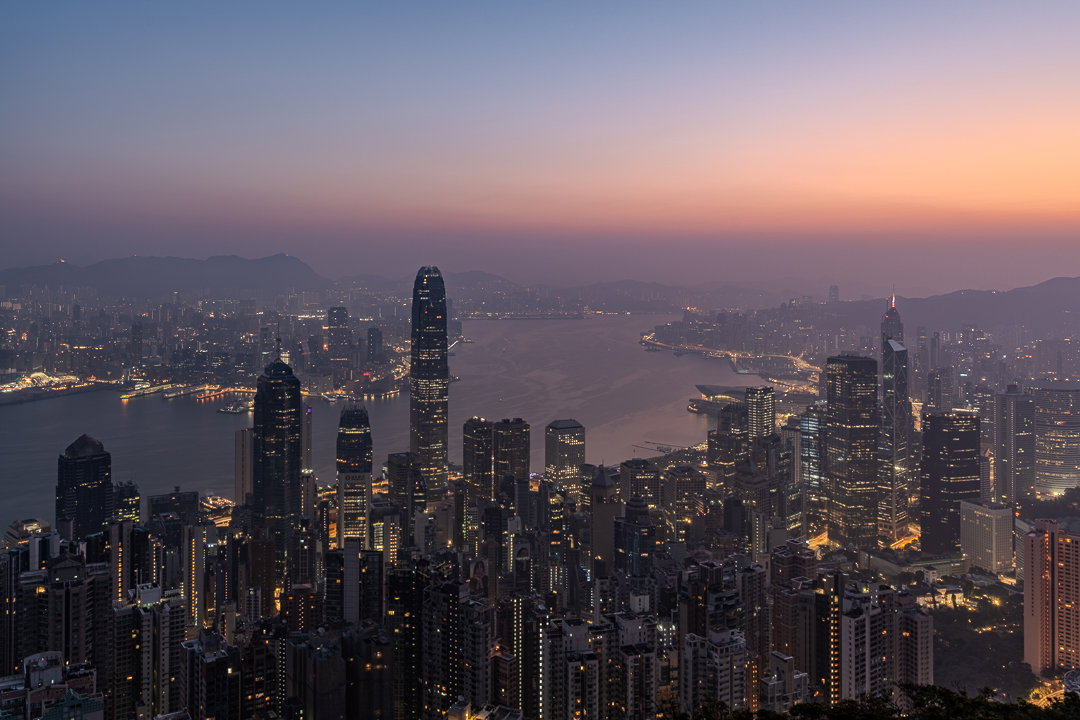
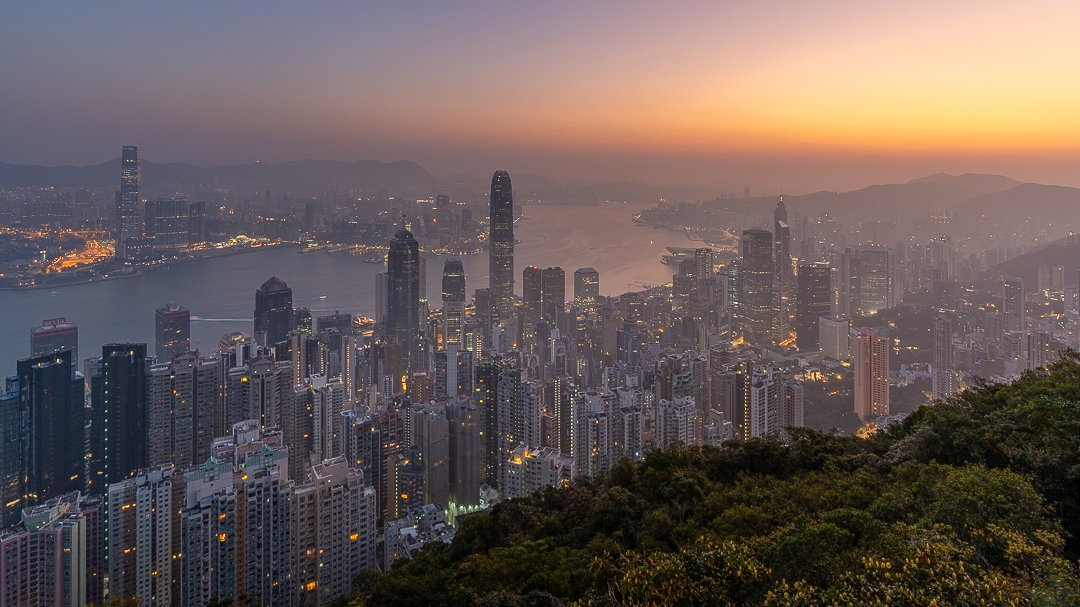
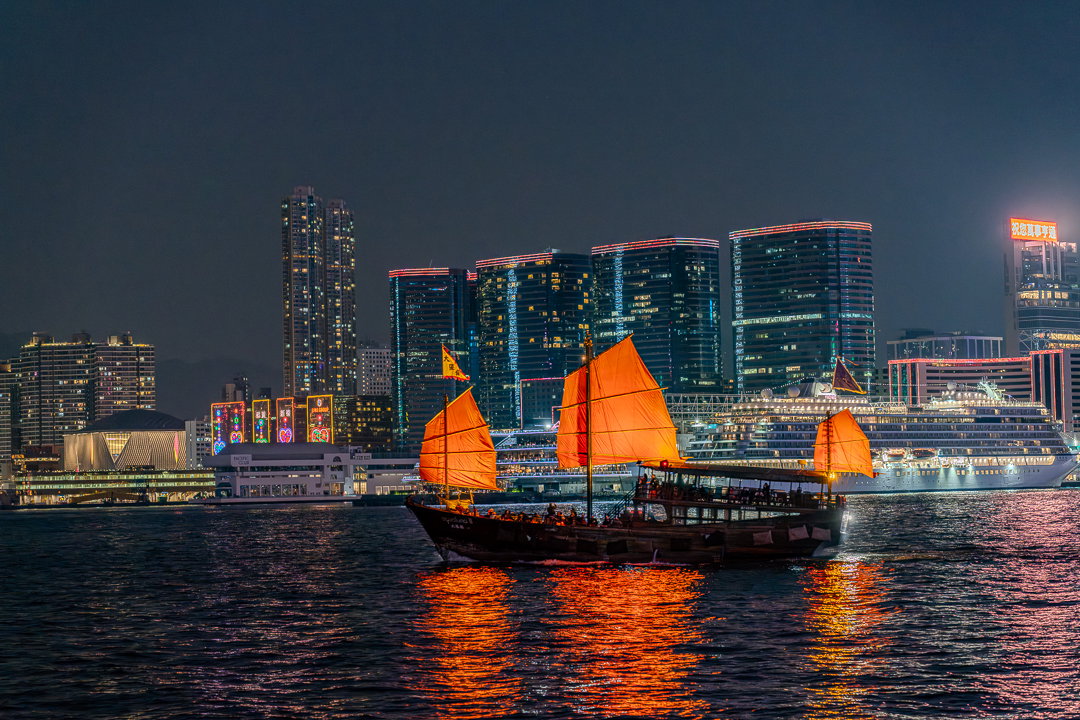
05 City Lights
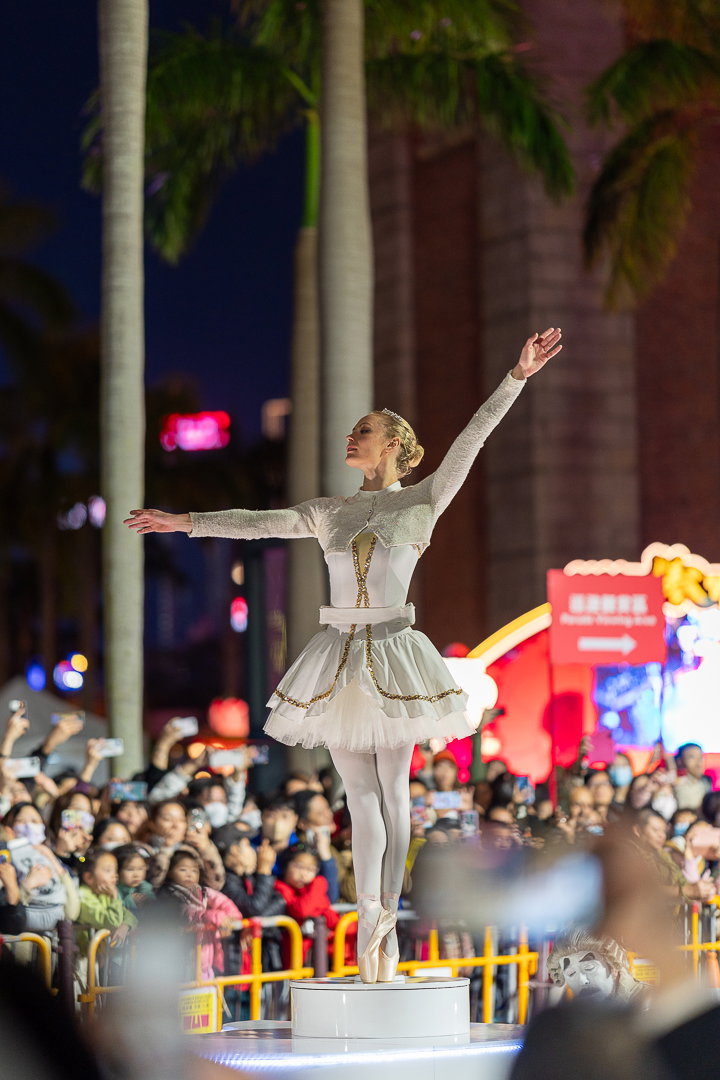
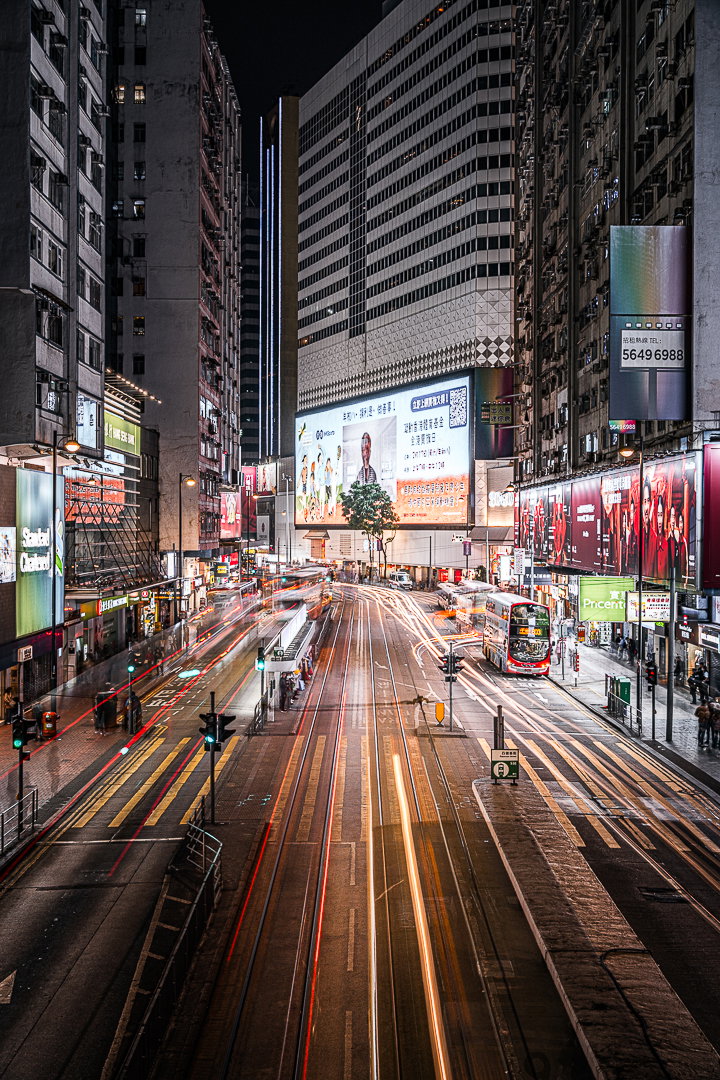
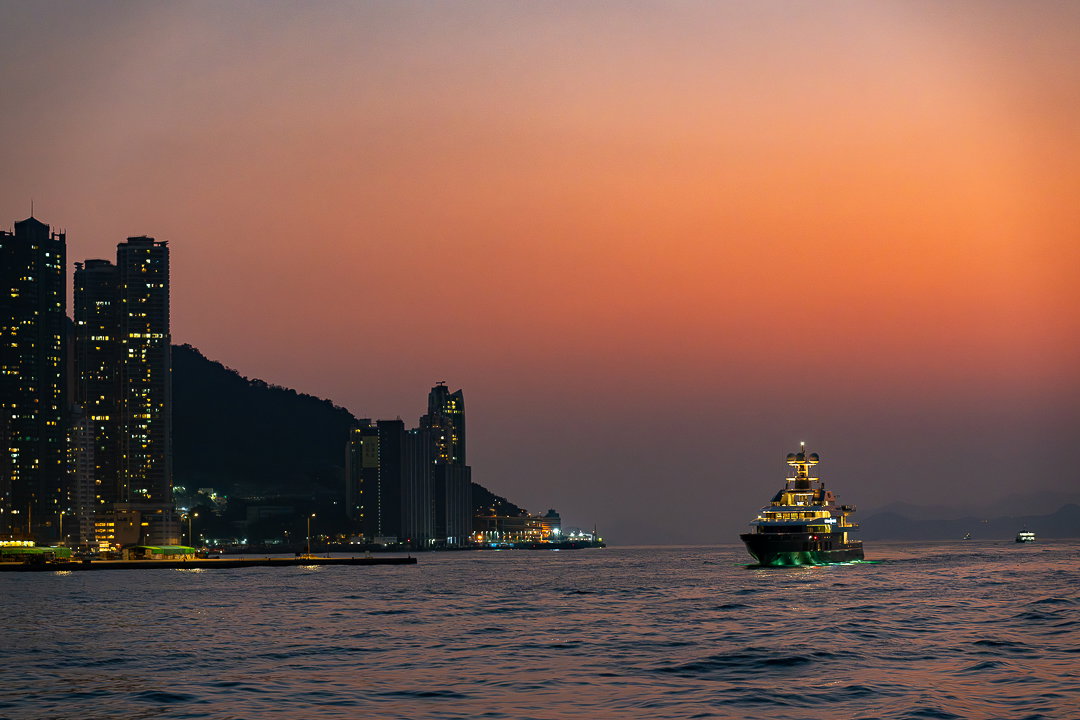
Golden hour on Victoria Harbour, long exposures transforming traffic into luminous trails, neon reflections on wet asphalt. The city changes its character after nightfall – the same streets, a different image.
06 Macau
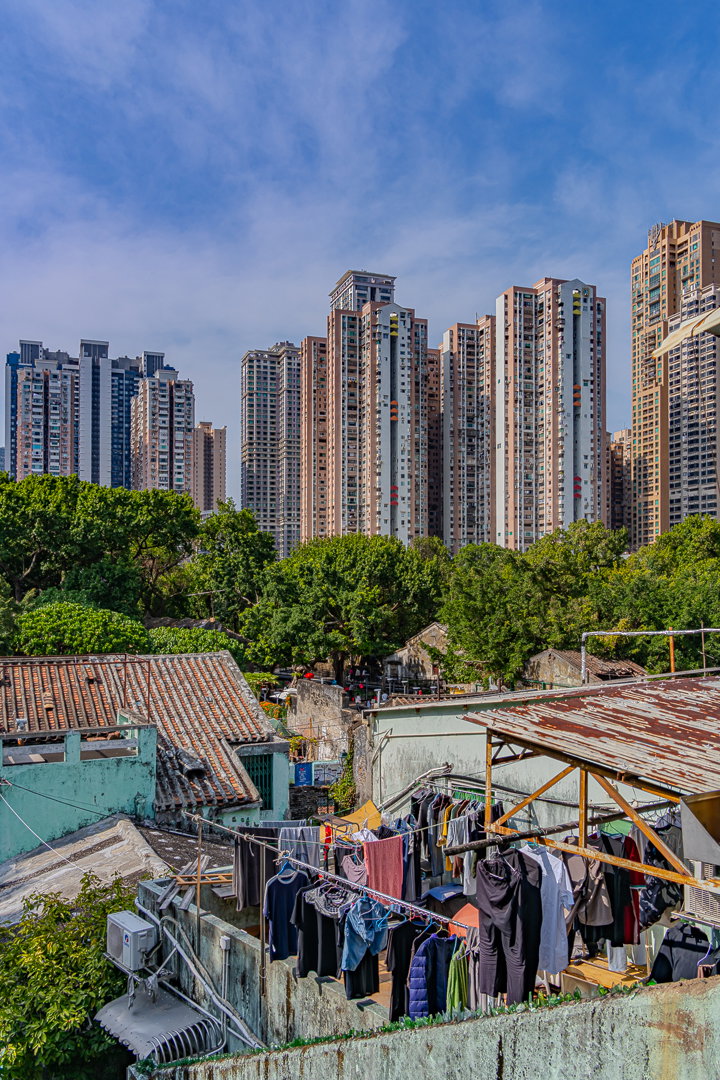
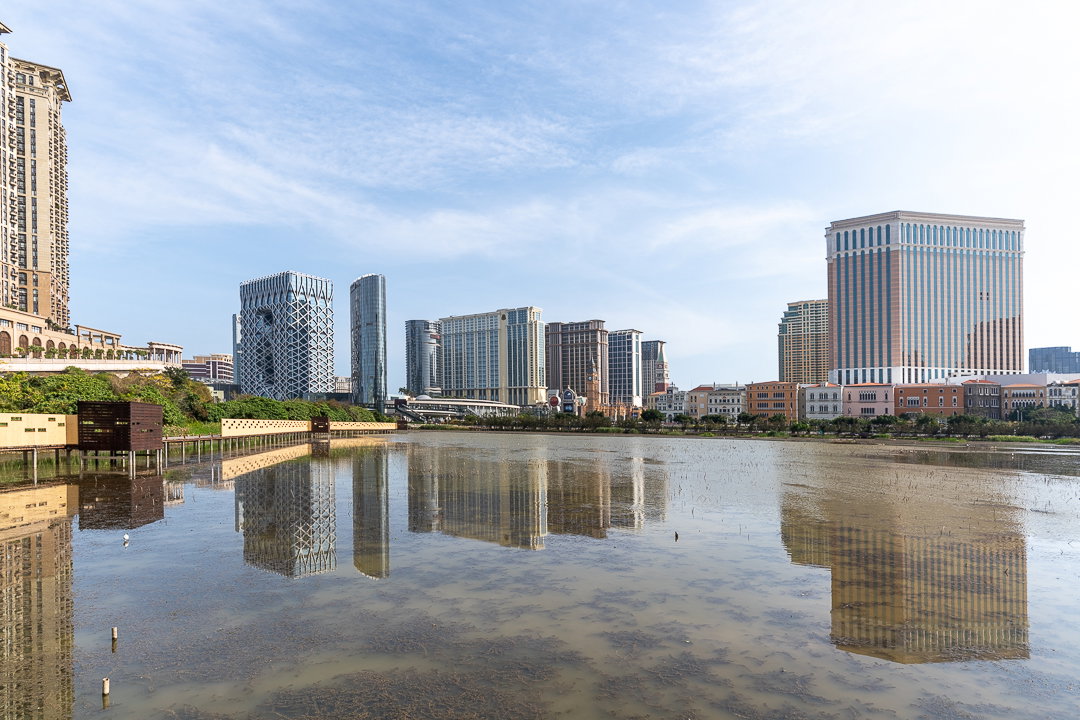
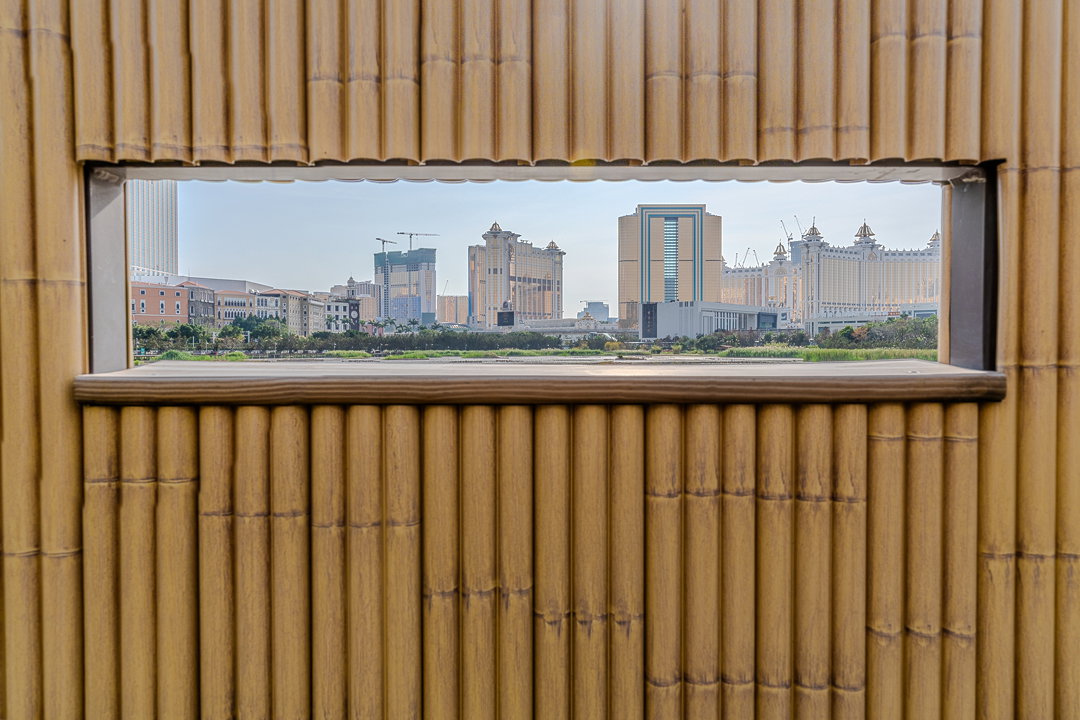
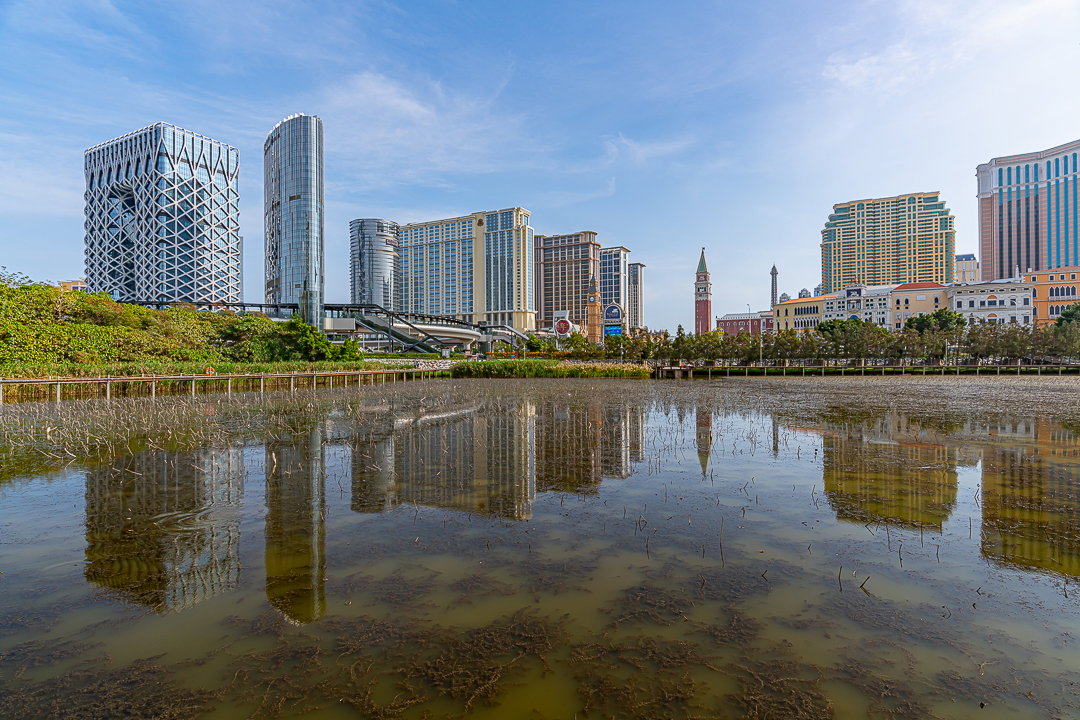
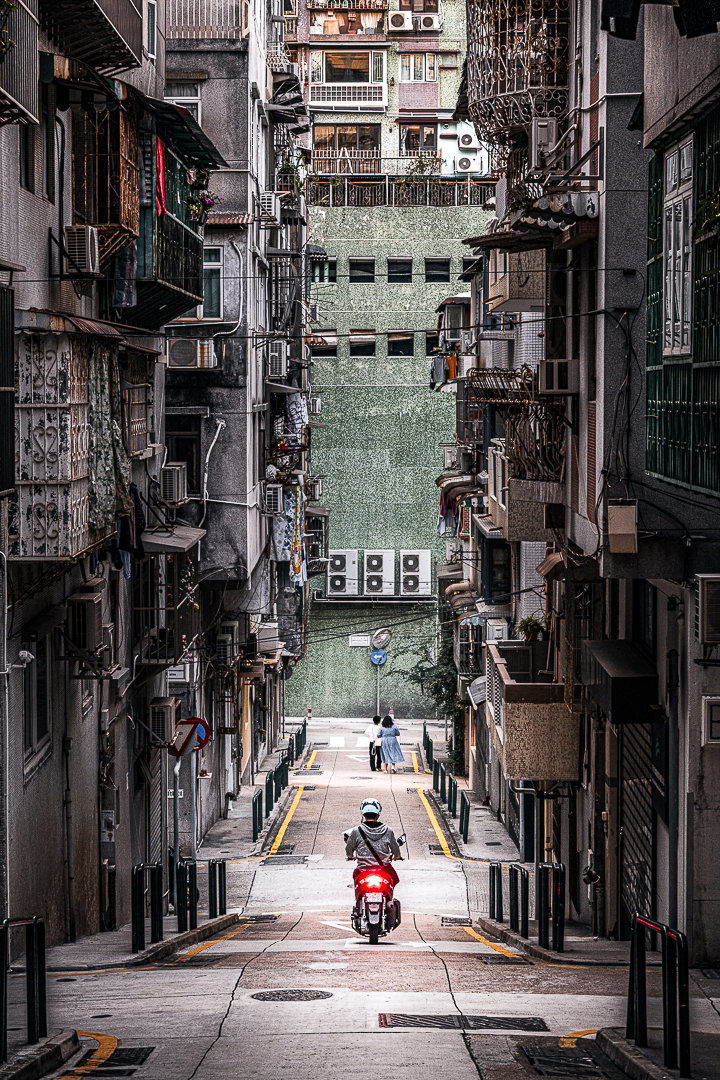
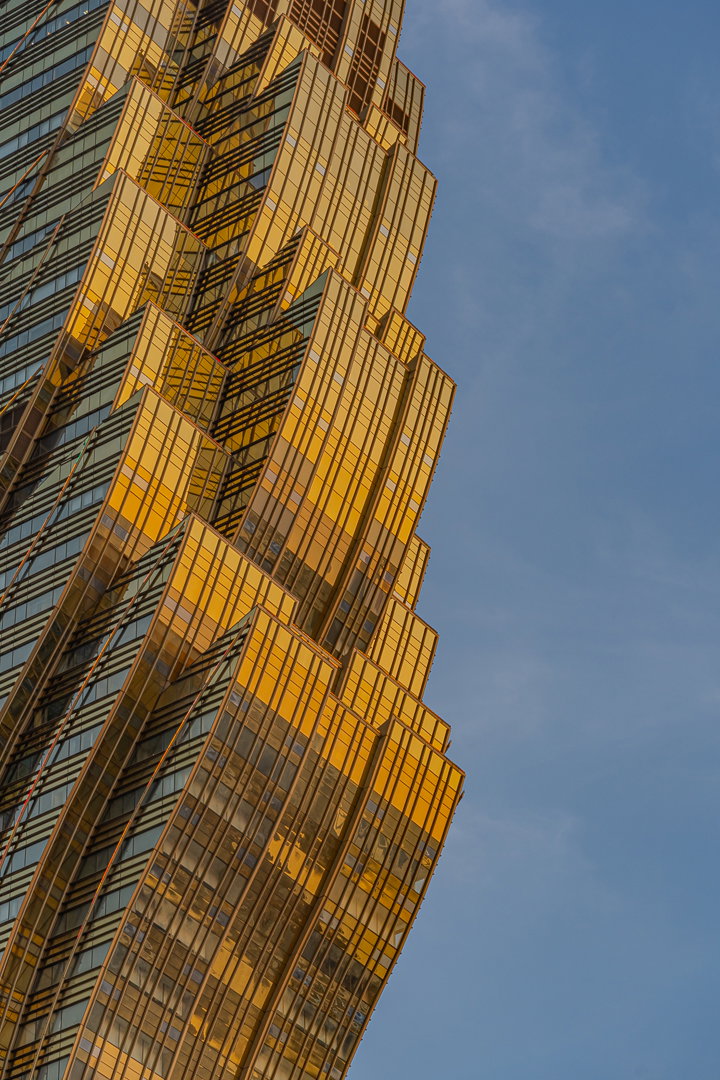
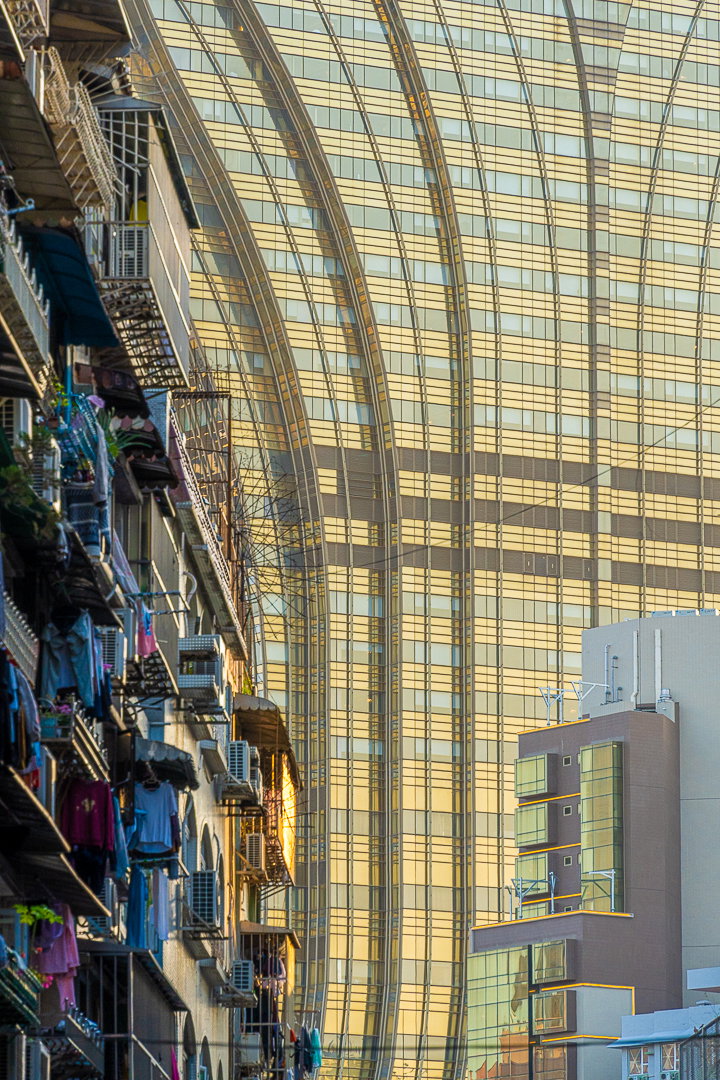
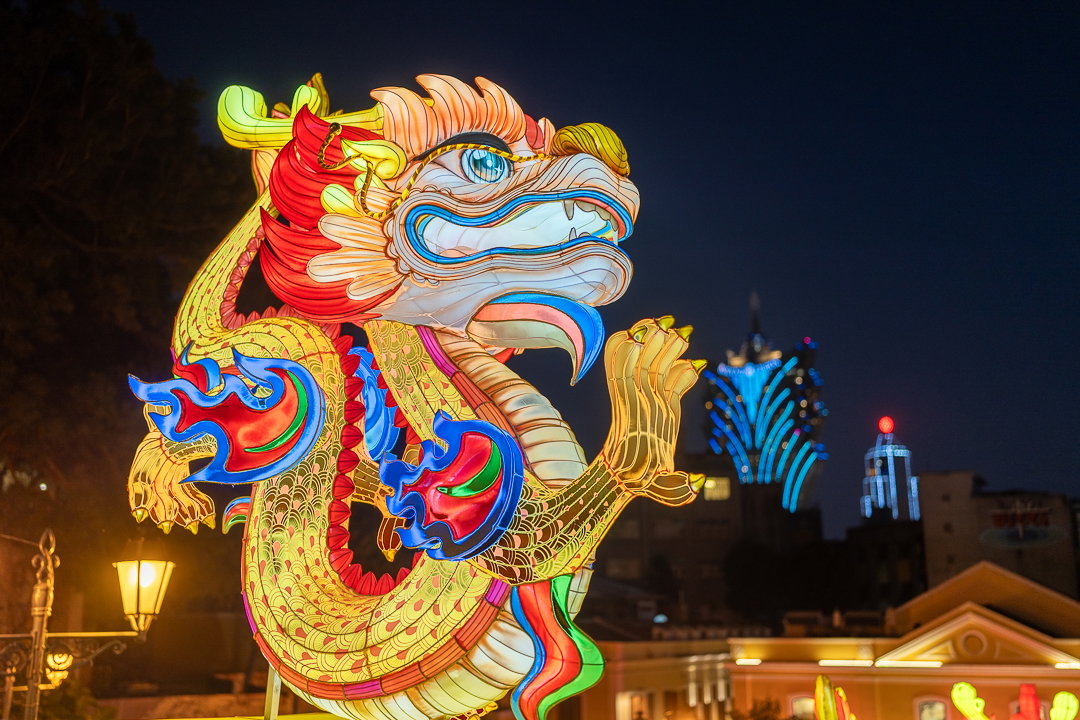
Just a short ferry ride from Hong Kong, another world unfolds. Portuguese tiles stand alongside the golden towers of casinos, incense wafts through temple courtyards, and narrow alleyways bear witness to decades of history. Macau displays its contradictions without concealing them.
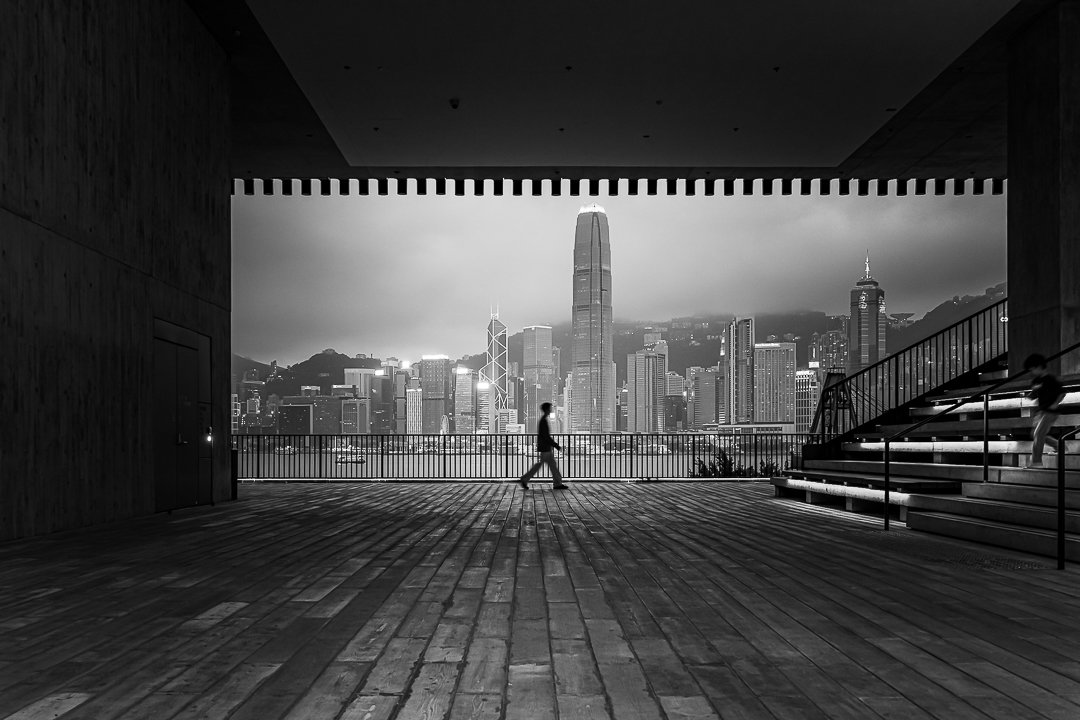
07 Figures
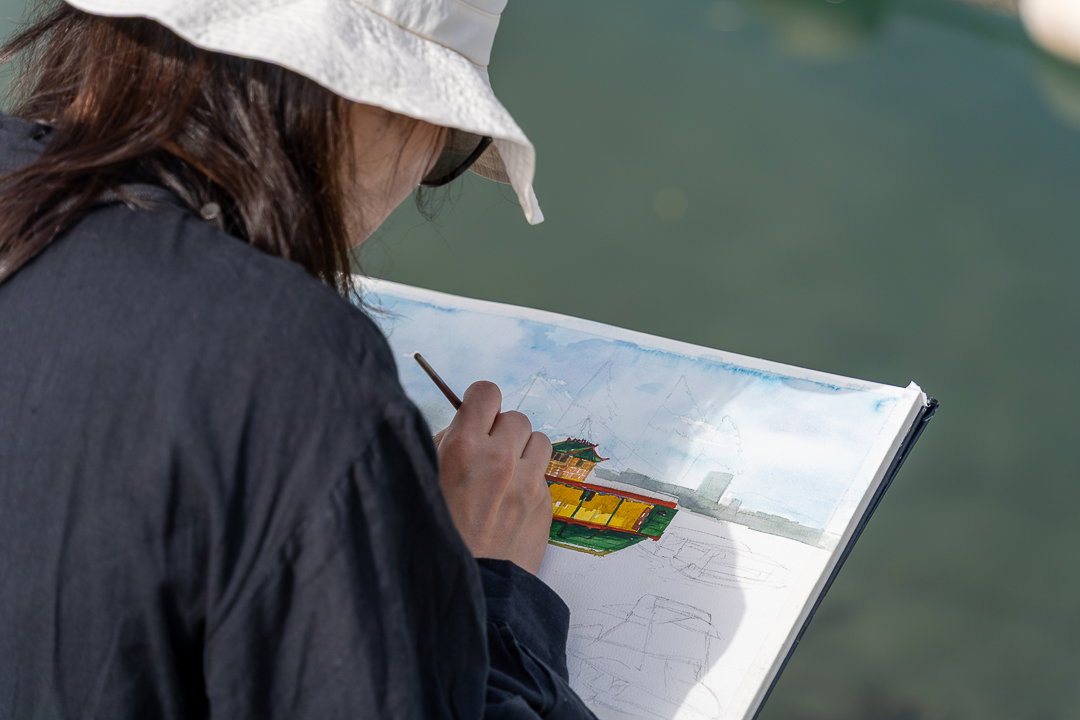
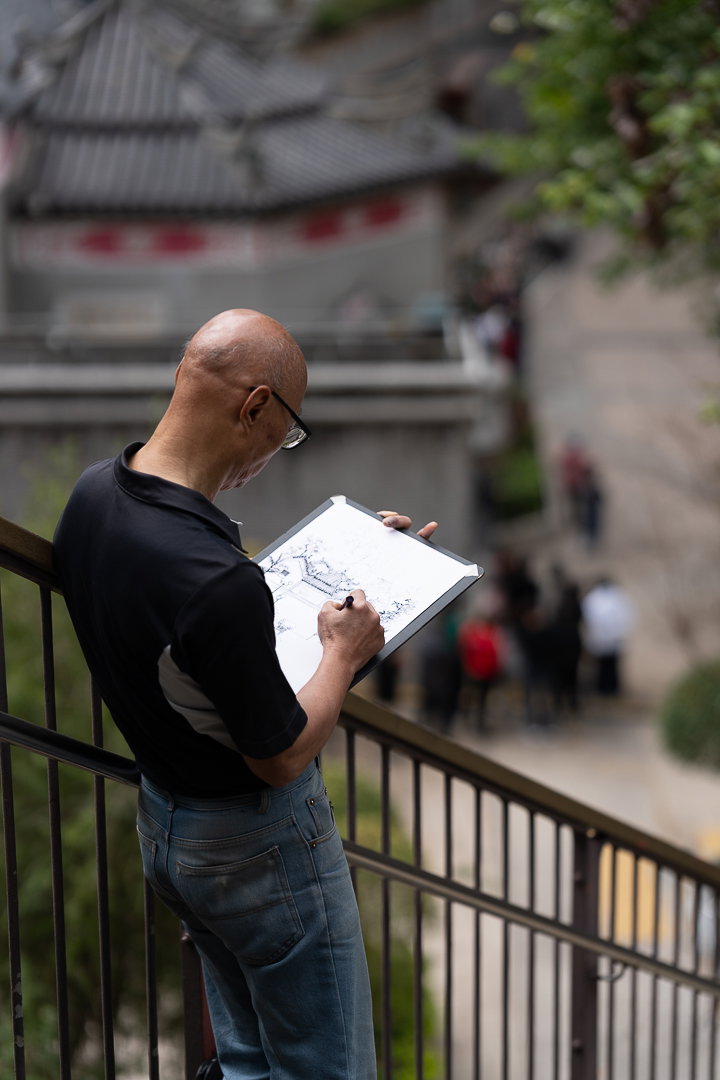
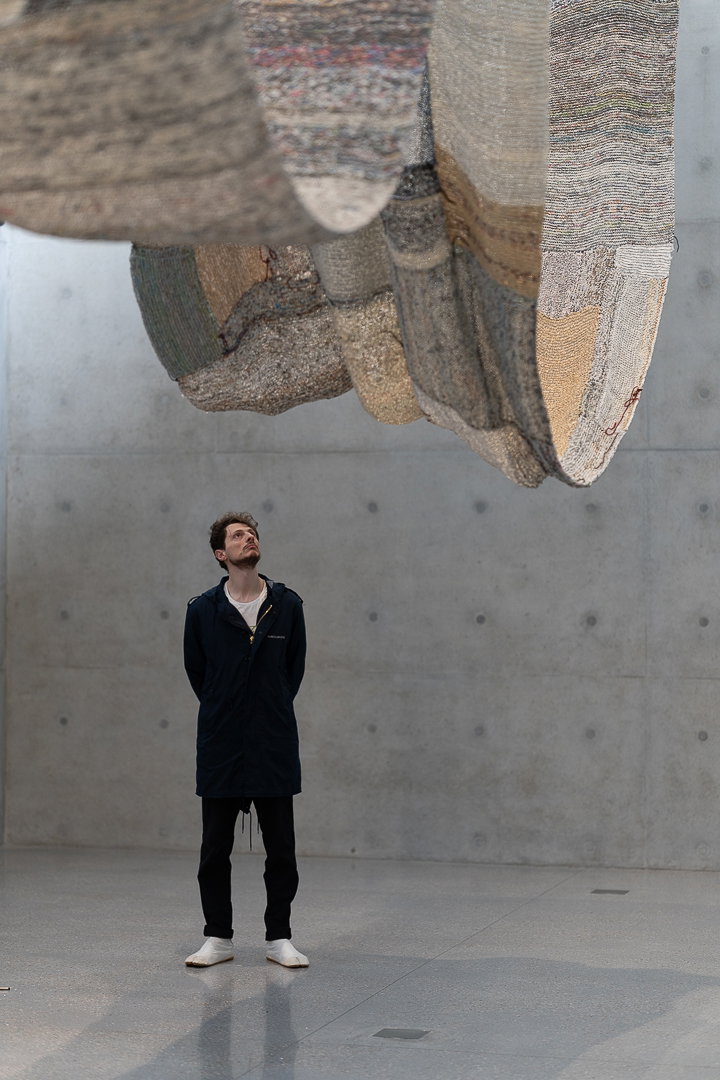
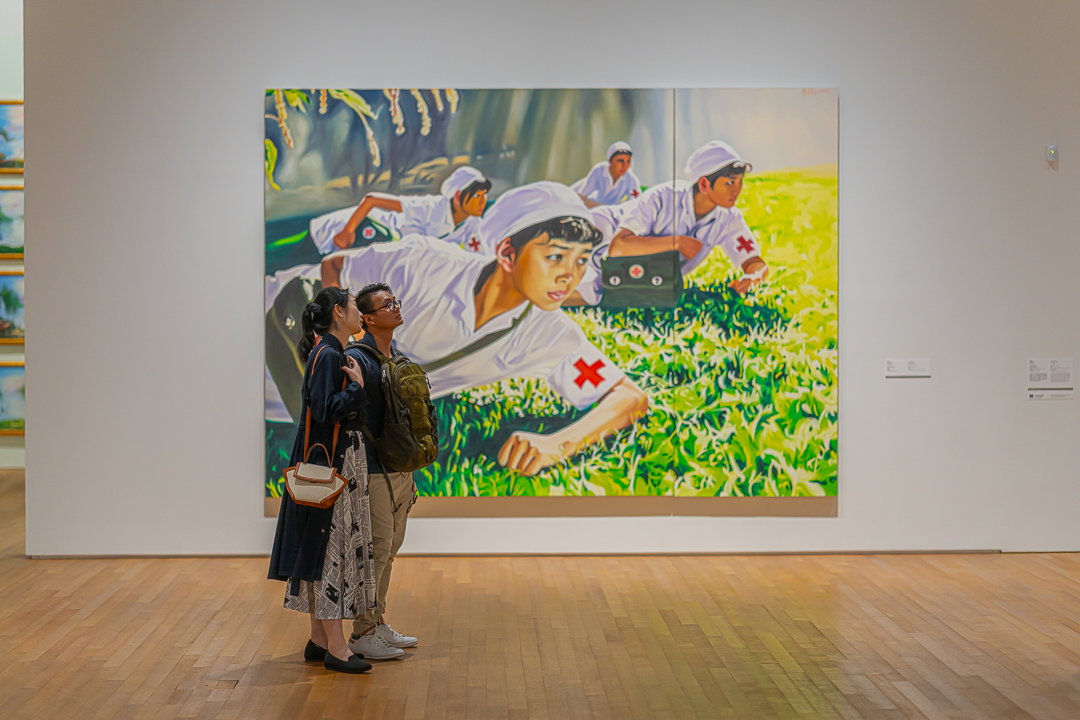
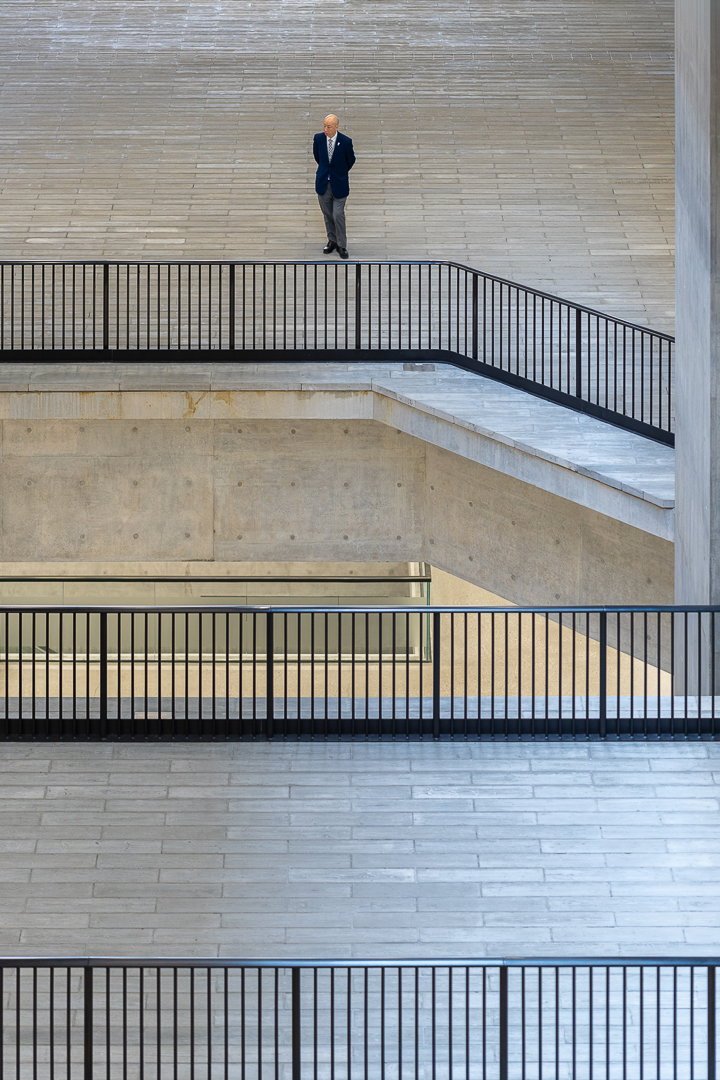
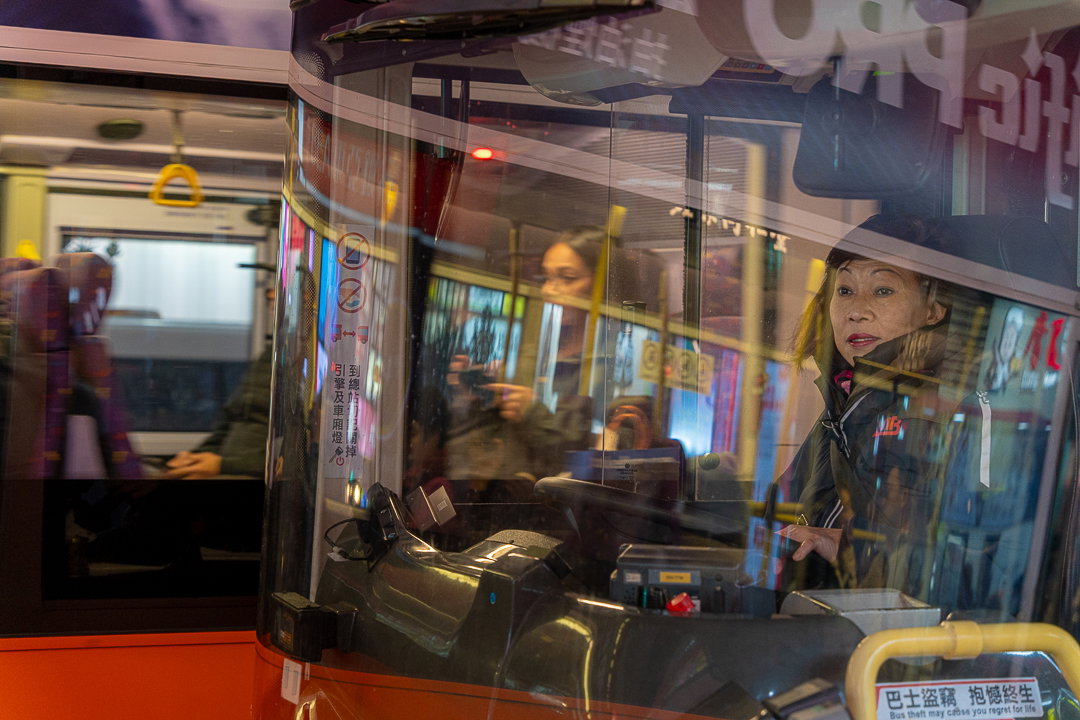
Not portraits. Figures in a city. A man reading with Hong Kong behind him. An artist sketching in front of a building facade. A silhouette dwarfed by an empty lobby. These images speak of the relationship between a body and a built space—the human scale as the measure of everything else.